
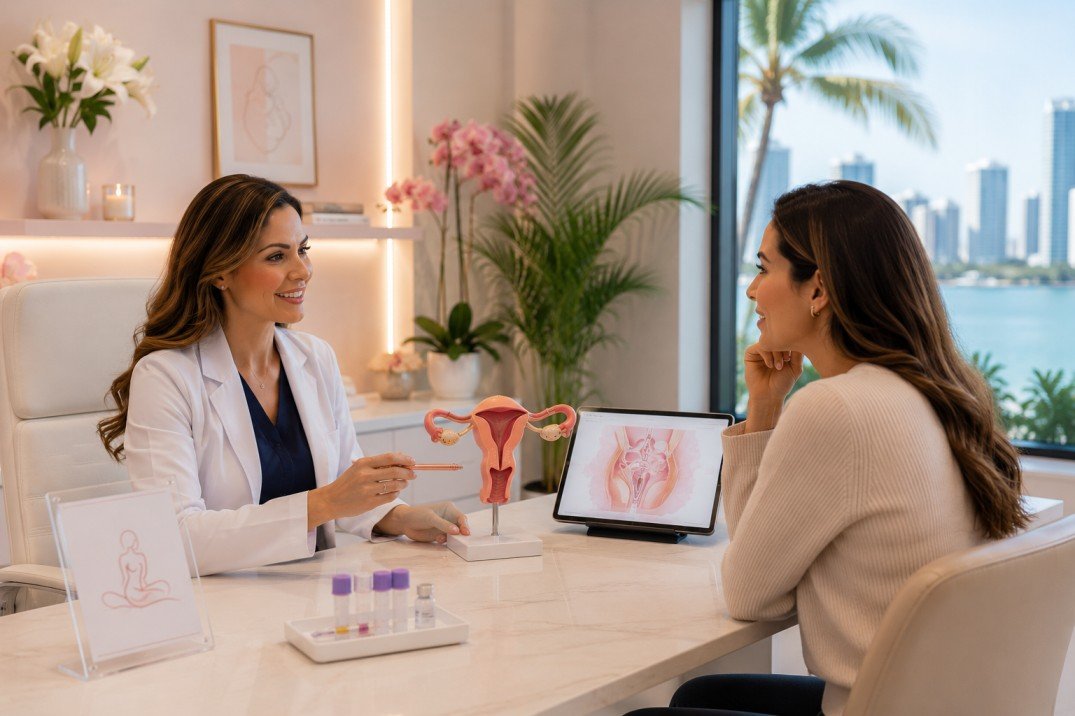
Conversations around women’s intimate wellness have changed dramatically in recent years. Topics that were once considered private or uncomfortable are now openly discussed in wellness clinics, podcasts, social media communities, and medical offices. As a result, more women are exploring treatments designed to improve sexual health, comfort, and confidence. One procedure that continues gaining attention is the O-Shot, also known as the Orgasm Shot. Naturally, one of the biggest questions women ask is: Can the O-Shot improve sensitivity and intimacy?
The short answer is that many women report positive improvements in sensitivity, arousal, lubrication, and emotional intimacy after receiving the O-Shot. However, results vary significantly depending on age, hormonal health, circulation, lifestyle, and individual response to treatment. Some patients describe dramatic changes, while others notice more subtle improvements that develop gradually over time.
The O-Shot uses platelet-rich plasma (PRP) derived from the patient’s own blood. PRP contains concentrated growth factors that may stimulate tissue regeneration, collagen production, and increased blood flow in targeted areas. Instead of relying on surgery or synthetic implants, the procedure works by encouraging the body’s natural healing response.
For many women, intimacy concerns are not purely physical. Hormonal changes, childbirth, menopause, stress, aging, and emotional disconnect can all affect desire, sensitivity, and confidence. The appeal of the O-Shot lies partly in its minimally invasive nature and partly in the possibility of restoring comfort and connection without major downtime.
This guide explores how the O-Shot may influence sensitivity and intimacy, what women commonly experience after treatment, how the procedure works, and what realistic expectations actually look like. If you are curious about whether regenerative medicine could support your intimate wellness goals, understanding the science and patient experiences behind the O-Shot can help you make a more informed decision.
Understanding What the O-Shot Is
The O-Shot is a non-surgical regenerative treatment designed to improve vaginal tissue health and intimate wellness using platelet-rich plasma from the patient’s own body. The procedure begins with a simple blood draw. That blood is processed in a centrifuge machine that separates platelet-rich plasma from other blood components. The concentrated PRP is then injected into targeted vaginal tissue.
PRP technology is already widely used in fields such as sports medicine, orthopedic recovery, skin rejuvenation, and hair restoration. The same healing principles are applied to intimate wellness. Think of PRP like a concentrated repair system filled with growth factors that signal the body to increase circulation and tissue regeneration.
Women pursue the O-Shot for many reasons. Some experience vaginal dryness or discomfort after menopause. Others notice reduced sensitivity following childbirth or hormonal changes. Some women are simply interested in improving intimacy, confidence, and overall sexual wellness.
One major reason for the procedure’s popularity is that it avoids surgery. There are no incisions, implants, or lengthy recovery periods involved. Most appointments are completed within an hour, and patients usually return to normal activities immediately afterward.
The emotional aspect of intimate wellness also plays a major role. Concerns involving sensitivity, lubrication, or intimacy can affect self-esteem and relationships deeply. For many women, exploring the O-Shot feels less cosmetic and more restorative — like reclaiming a part of themselves that changed over time.
How PRP Technology Works
Platelet-rich plasma contains concentrated healing components known as growth factors. Once PRP is injected into tissue, the body responds by increasing blood flow, collagen production, and cellular regeneration. You can think of it as “activating” tissue that may have become less responsive due to aging, hormonal shifts, or reduced circulation.
The process starts with drawing a small amount of blood from the patient’s arm. After centrifuge separation, the resulting PRP is carefully prepared for injection. Since the plasma comes from the patient’s own body, risks related to allergic reactions are extremely low.
The regenerative process happens gradually rather than instantly. New blood vessel formation and collagen stimulation may continue for weeks or even months after treatment. This explains why many women notice progressive changes over time instead of immediate dramatic transformations.
Improved circulation is particularly important because sensitivity and arousal rely heavily on healthy blood flow. When tissue receives better oxygenation and nourishment, responsiveness may improve naturally.
Why Women Are Choosing the O-Shot
Women choose the O-Shot for a wide range of physical and emotional reasons. Some are seeking relief from specific symptoms, while others simply want to improve intimacy and overall quality of life.
Common reasons include:
- Reduced sensitivity
- Vaginal dryness
- Pain during intimacy
- Difficulty achieving orgasm
- Mild urinary incontinence
- Menopause-related changes
- Postpartum recovery concerns
The increasing openness around women’s wellness has also contributed to growing interest. Intimate health is now viewed similarly to skincare, fitness, or hormonal wellness — as an important part of overall self-care rather than something embarrassing or taboo. Many women are especially drawn to the natural aspect of PRP therapy, working with the body’s own healing systems.
Can the O-Shot Really Improve Sensitivity?
One of the primary reasons women explore the O-Shot is the possibility of improved sensitivity. While no treatment works identically for everyone, many patients report noticeable changes in physical responsiveness after PRP therapy.
Sensitivity depends heavily on blood circulation, tissue health, hormonal balance, nerve responsiveness, and emotional relaxation. The O-Shot aims to support these functions by improving blood flow and tissue regeneration in targeted areas. Increased circulation may enhance oxygen delivery and responsiveness, potentially leading to stronger sensation during intimacy.
Some women report:
- Increased arousal quality
- Greater physical awareness
- Easier orgasm response
- Enhanced lubrication
- Improved comfort during intimacy
It is important to understand that results vary considerably. Some patients describe dramatic improvements, while others notice only subtle changes. Regenerative medicine depends on how the body responds biologically, which is influenced by age, hormones, circulation, and overall wellness.
How Blood Flow Affects Sensation
Blood flow plays a major role in sexual wellness and sensitivity. Healthy circulation supports tissue oxygenation, nerve responsiveness, lubrication, and overall comfort. When blood flow decreases due to aging, hormonal shifts, stress, or childbirth-related changes, sensitivity may decline as well.
The O-Shot works partly by stimulating new blood vessel formation through growth factors found in PRP. Better circulation may help tissue feel more responsive and nourished over time. Think of circulation like watering a garden. When tissue receives consistent nourishment, it is more likely to function optimally.
What Women Commonly Report After Treatment
Women who respond positively to the O-Shot commonly describe increased sensitivity, improved lubrication, stronger orgasms, enhanced intimacy confidence, and a greater emotional connection during intimacy. Many women also mention psychological benefits. Feeling proactive about intimate wellness can improve confidence and reduce anxiety surrounding intimacy.
Interestingly, emotional comfort and physical responsiveness often influence each other. Improved confidence may help women feel more relaxed and connected, which itself can positively affect intimacy experiences.
How the O-Shot May Impact Intimacy
Intimacy is about far more than physical sensation alone. Emotional connection, self-confidence, body image, stress levels, and relationship dynamics all influence intimacy experiences. This is one reason the effects of the O-Shot can feel deeply personal for many women.
When discomfort, dryness, or reduced sensitivity interfere with intimacy, frustration and emotional distance sometimes develop gradually. Women may begin avoiding intimacy altogether because it feels uncomfortable, disappointing, or emotionally stressful.
The O-Shot may help improve intimacy in several ways:
- Enhanced physical comfort
- Increased sensitivity
- Improved confidence
- Reduced anxiety around intimacy
- Better emotional connection
For some women, these changes create a ripple effect that extends into relationships and overall self-esteem, restoring a sense of vitality and personal connection.
Emotional and Physical Connection
Physical and emotional intimacy are closely connected. When women feel physically comfortable and confident, emotional closeness often becomes easier as well.
Some patients describe the O-Shot as helping them “feel connected again” after years of menopause symptoms, postpartum changes, or stress-related intimacy struggles.
Confidence and Relationship Benefits
Confidence plays a powerful role in intimacy. Feeling more responsive, comfortable, or emotionally secure may improve communication and relationship satisfaction. Women often report increased confidence, reduced embarrassment, greater openness with partners, improved body image, and less stress surrounding intimacy.
These emotional benefits can sometimes feel just as meaningful as the physical changes themselves, reinforcing overall mental wellness.
What Happens During the O-Shot Procedure
The O-Shot procedure itself is relatively simple and usually completed within about one hour. The appointment typically includes consultation, blood draw, PRP preparation, numbing process, PRP injections, and aftercare discussion. Most women return to normal activities immediately afterward.
Knowing what happens step-by-step helps many patients feel completely calm and comfortable during their clinic visit.
Consultation and Evaluation
During consultation, the provider reviews symptoms, hormonal health, medical history, treatment goals, and expectations. This step is critical to determine whether the patient is a good candidate for PRP therapy and to design a personalized treatment plan.
PRP Preparation and Injection Process
After blood is drawn, PRP is separated using a high-speed centrifuge machine. The provider then injects the plasma into targeted tissue after applying a strong topical numbing cream or local anesthetic. Most women describe the injections as mildly uncomfortable rather than painful, noting only pressure or brief pinching.
Because the treatment uses your own biological material, there is no risk of synthetic rejection, and the entire office visit is handled with absolute privacy and professional care.
How Long Does It Take to Notice Results?
One of the most common questions women ask after learning about the O-Shot is how quickly they may notice changes in sensitivity or intimacy. The answer varies because PRP therapy works through the body’s natural regenerative process rather than producing instant artificial effects. Some women notice subtle improvements within the first few weeks, while others experience gradual changes over several months.
In general, many patients begin reporting early improvements within three to six weeks after treatment. Increased sensitivity, improved lubrication, or enhanced comfort during intimacy may appear gradually during this period. For others, the most noticeable changes develop closer to the two- or three-month mark as collagen production and circulation continue improving.
The timeline depends heavily on age, hormonal health, tissue condition, circulation, and lifestyle. Patience is essential during the healing phase. Unlike cosmetic fillers that create immediate volume, the O-Shot encourages gradual biological changes that continue developing over time.
Another important factor is emotional awareness. Some women become more mindful of intimacy and body connection simply because they are proactively addressing concerns they may have ignored for years. That psychological shift can influence confidence and relationship dynamics alongside the physical changes.
Immediate vs Gradual Improvements
The O-Shot does not usually create dramatic instant effects immediately after the procedure. Most women experience a gradual progression of improvements rather than a sudden transformation.
During the first few days, some patients notice mild swelling or increased awareness of the treatment area due to the injections themselves. True regenerative benefits generally emerge later as blood flow and tissue response increase.
Women often describe gradual increases in sensitivity, progressive lubrication improvements, better comfort during intimacy, and enhanced emotional confidence over time. Some women report emotional optimism shortly after treatment simply because they feel empowered taking action regarding intimate wellness.
How Long Results Typically Last
Most women report that the benefits of the O-Shot last between 12 and 18 months, although experiences vary considerably. Some patients maintain noticeable improvements longer, while others feel results begin fading sooner.
| Time After Treatment | Typical Experience |
|---|---|
| First Few Weeks | Mild early changes begin |
| 1–3 Months | Peak improvements often develop |
| 6–12 Months | Benefits generally remain stable |
| 12–18 Months | Gradual decline may begin |
| 18+ Months | Some women seek maintenance treatment |
The body continues aging naturally after PRP therapy, which is why results are not permanent. Hormonal fluctuations, circulation changes, stress, and lifestyle habits all influence how long improvements remain noticeable. Some women choose annual maintenance treatments to sustain results consistently.
Factors That Affect O-Shot Results
Not every woman experiences the same outcome from the O-Shot. Regenerative medicine is highly individualized because each body heals differently. Several important factors influence both the strength and duration of results.
Understanding these variables helps women approach treatment with realistic expectations instead of comparing themselves too closely with online testimonials or social media claims.
Age and Hormonal Health
Hormones play a major role in tissue health, sensitivity, and circulation. Estrogen, in particular, supports vaginal elasticity, lubrication, and blood flow. As women enter perimenopause or menopause, declining hormone levels may contribute to dryness, discomfort, and reduced sensitivity.
Women with healthier hormonal balance often respond more strongly to PRP therapy because tissue regeneration occurs more efficiently. Younger patients may maintain results longer due to stronger collagen production and vascular health.
That said, many menopausal women still report meaningful improvements after the O-Shot. In some cases, providers combine PRP treatment with hormone optimization to support better long-term outcomes.
Lifestyle and Overall Wellness
Healthy circulation is critical for PRP effectiveness. Since the O-Shot relies on regenerative healing and increased blood flow, lifestyle choices can significantly affect results. Women who maintain healthy habits often support better long-term tissue function through regular exercise, balanced nutrition, proper hydration, quality sleep, and stress management.
Smoking is especially harmful to circulation and may reduce PRP effectiveness. Nicotine constricts blood vessels and limits oxygen delivery, directly interfering with tissue healing and responsiveness. Stress also plays a surprisingly large role, affecting muscle tension and hormone balance.
Provider Experience and Technique
The provider performing the O-Shot can significantly influence both comfort and outcomes. PRP preparation and injection placement require precision, anatomical understanding, and specialized training. Experienced providers understand how to properly process PRP, use effective injection techniques, customize treatment based on symptoms, and reduce discomfort during injections.
Patients should prioritize medical credentials and women’s wellness expertise rather than choosing clinics based solely on price or social media popularity.
What Symptoms May Improve With the O-Shot?
The O-Shot is most commonly associated with sensitivity and intimacy enhancement, but women often seek the treatment for several additional symptoms related to tissue health and circulation.
Not every symptom improves equally for every patient, but many women report positive changes in multiple areas simultaneously, leading to broader intimate comfort.
Vaginal Dryness and Comfort
Vaginal dryness is especially common during menopause due to declining estrogen levels. Reduced moisture can make intimacy uncomfortable and affect confidence significantly.
Some women report improved natural lubrication after PRP treatment because enhanced blood flow and tissue health may support moisture production naturally. Improved comfort during intimacy is one of the most meaningful benefits many patients describe.
Mild Urinary Incontinence
Mild stress urinary incontinence is another common concern addressed through the O-Shot. Women sometimes experience leakage during coughing, sneezing, laughing, or exercise after childbirth or aging-related pelvic changes.
Some patients report improved bladder control following PRP therapy due to increased tissue support and circulation. However, severe pelvic floor dysfunction may require additional therapies beyond PRP injections alone, such as specialized pelvic floor physical therapy.
Risks and Realistic Expectations
Although the O-Shot is considered minimally invasive, no procedure is completely risk-free. Most side effects are mild and temporary, especially when treatment is performed by an experienced provider.
Possible side effects include mild swelling, temporary soreness, spotting, bruising, and minor sensitivity near injection sites. Serious complications are rare because PRP comes from the patient’s own blood, reducing the risk of allergic reactions.
The bigger issue for many women is unrealistic expectations. Online marketing sometimes exaggerates outcomes dramatically, creating pressure to expect guaranteed transformations. PRP can support regeneration, but it does not eliminate every possible cause of intimacy concerns, particularly psychological or complex relationship issues.
Potential Side Effects
Temporary reactions after the O-Shot generally resolve within a few days. Most women resume normal activities immediately after treatment without major disruption.
Patients should contact their provider if they experience severe pain, heavy bleeding, fever, signs of infection, or unusual swelling. Choosing a qualified provider greatly reduces these complication risks.
Why Results Vary Between Women
Results vary because intimacy and sensitivity are influenced by multiple overlapping factors, including hormones, emotional health, circulation, stress, relationship dynamics, and physical tissue condition.
A comprehensive approach to wellness often provides the best results, as intimate health is rarely isolated from overall physical and mental health status.
Is the O-Shot Worth It for Intimacy Concerns?
For many women, the O-Shot feels highly worthwhile because it addresses deeply personal concerns without surgery or extended downtime. Women who experience positive results often describe improvements not only in physical sensation but also in emotional confidence and relationship satisfaction.
Others may feel the benefits are more subtle than expected. The key to satisfaction usually comes down to realistic expectations and choosing an experienced provider who guides you transparently through the biological nature of PRP treatments.
Patient Satisfaction and Experiences
Women commonly report increased confidence, improved sensitivity, better intimacy comfort, stronger emotional connection, and enhanced sexual wellness overall. The emotional impact can sometimes feel just as significant as the physical changes, providing a sense of renewal.
Hearing from patients with similar concerns can often be highly helpful when evaluating the value of the treatment.
Questions to Ask Before Treatment
Before scheduling the O-Shot, ask important questions during your consultation:
- How experienced are you with PRP treatments for intimate wellness?
- What specific results are realistic for my age and health status?
- How long can I expect my results to last?
- What temporary side effects or discomfort should I prepare for?
- Will annual maintenance treatments be recommended in my case?
A trustworthy provider answers openly, reviews your symptoms, and prioritizes patient education over marketing hype.
Conclusion
The O-Shot may improve sensitivity and intimacy for many women by supporting blood flow, tissue regeneration, and overall vaginal wellness through platelet-rich plasma therapy. Women commonly report benefits such as enhanced sensitivity, improved lubrication, greater comfort during intimacy, and increased emotional confidence.
Because PRP works through the body’s natural healing processes, results develop gradually and vary between individuals. Factors like age, hormones, circulation, lifestyle, and provider experience all influence outcomes. The O-Shot is not a guaranteed cure or instant transformation, but for many women, it offers a minimally invasive option for addressing deeply personal wellness concerns.
Understanding realistic expectations and choosing a qualified provider are two of the most important steps toward achieving a positive, safe, and highly satisfying experience with the O-Shot.
Frequently Asked Questions
1. Can the O-Shot really increase sensitivity?
Many women report increased sensitivity after treatment. The growth factors in PRP stimulate blood flow and support nerve responsiveness in targeted tissue, enhancing local sensitivity naturally.
2. How soon can intimacy improve after the O-Shot?
Some women notice early changes within three to six weeks, while others experience more gradual, progressive improvements over several months as tissue regeneration occurs.
3. Is the O-Shot permanent?
No. Most results gradually fade over 12 to 18 months as natural aging and ongoing hormonal changes continue. Many women choose annual maintenance treatments to sustain the benefits.
4. Does the O-Shot help emotional intimacy too?
Yes, indirectly. Many women report that the physical improvements in comfort and responsiveness lead to increased confidence, reduced anxiety, and a stronger emotional connection with their partners.
5. Is the O-Shot painful?
Most women describe the procedure as mildly uncomfortable rather than painful. Providers apply high-strength numbing cream and may use local anesthetic blocks to ensure maximum comfort during the quick injection step.