
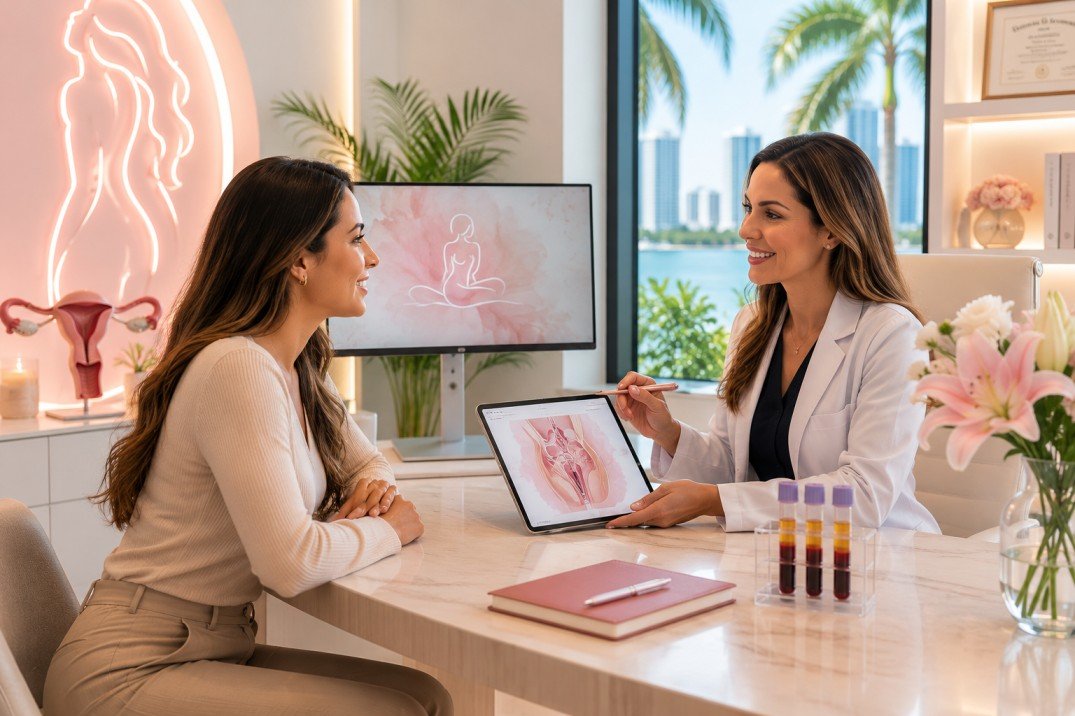
The O-Shot, also known as the Orgasm Shot, has become one of the most discussed women’s wellness treatments in recent years. As conversations around sexual health, menopause, postpartum recovery, and intimate wellness become more open, more women are exploring regenerative treatments designed to improve comfort, sensitivity, and confidence. Naturally, one of the biggest questions people ask before scheduling the procedure is simple and direct: Is the O-Shot painful?
The short answer is that most women describe the procedure as mildly uncomfortable rather than truly painful. Thanks to numbing creams and local anesthetics commonly used during treatment, the actual injections are usually tolerated very well. Many patients compare the sensation to a quick pinch, pressure, or minor stinging feeling rather than severe pain. Still, experiences vary depending on pain tolerance, anxiety levels, provider technique, and overall sensitivity.
Part of the fear surrounding the O-Shot comes from the location of the injections. Any procedure involving intimate areas naturally creates emotional tension and nervousness. Even women who regularly receive cosmetic treatments elsewhere on the body may feel anxious about this type of appointment. The good news is that most providers understand these concerns and structure the process carefully to maximize comfort and privacy.
The O-Shot uses platelet-rich plasma (PRP) derived from the patient’s own blood. PRP contains concentrated growth factors that may stimulate tissue regeneration, improve blood flow, and support vaginal wellness. Because the treatment relies on natural healing mechanisms rather than surgery, recovery is typically quick with minimal downtime.
This guide explains exactly what happens during an O-Shot appointment, what the injections feel like, how long discomfort lasts, and what women can realistically expect before, during, and after the procedure. If you are feeling nervous about pain, understanding the full process often makes the experience feel far less intimidating.
Is the O-Shot Painful? The Honest Answer
The question everyone wants answered honestly is this: Does the O-Shot hurt? In most cases, the answer is surprisingly reassuring. The majority of women describe the procedure as uncomfortable for a few moments rather than severely painful.
The numbing process makes a huge difference. Before injections begin, providers typically apply a strong topical numbing cream or local anesthetic to the treatment area. This significantly reduces sensation and helps minimize discomfort during the injections themselves.
Patients often report feeling:
- Mild pressure near the injection site
- Quick pinching sensations during insertion
- Brief stinging as the PRP is administered
- Minor discomfort lasting only a few seconds
The emotional anticipation is frequently worse than the actual physical sensation. Many women arrive extremely nervous and later say the procedure felt far easier than expected.
Pain perception also depends heavily on anxiety levels. When people are tense or fearful, the body becomes more sensitive to discomfort. Experienced providers understand this and usually create calm, private environments designed to reduce stress throughout the appointment.
What Most Women Feel During the Procedure
The actual injection portion of the O-Shot usually lasts only a few minutes. Because the area is numbed beforehand, most women feel pressure rather than sharp pain. Some patients compare the sensation to a tiny pinch, mild menstrual cramping, a slight stinging lasting seconds, or temporary pressure during injection.
After the procedure, mild soreness or a feeling of fullness in the area may occur temporarily. Most women return to work, errands, or normal activities immediately afterward without major issues. Interestingly, emotional relief often follows the appointment as many realize the fear leading up to it was far greater than the treatment itself.
Pain Levels Compared to Other Cosmetic Treatments
Women familiar with cosmetic procedures often compare the O-Shot to treatments like Botox, lip injections, laser therapy, or microneedling. While everyone’s pain tolerance differs, the O-Shot is generally viewed as less painful than many aggressive laser procedures and similar to minor injectable treatments.
| Procedure | Typical Pain Level |
|---|---|
| Botox | Mild |
| Lip Fillers | Mild to Moderate |
| Microneedling | Moderate |
| Laser Resurfacing | Moderate to High |
| O-Shot | Mild |
The biggest difference is psychological. Because the O-Shot involves intimate anatomy, anxiety levels may feel higher even if the actual physical discomfort remains very low.
What Happens During an O-Shot Appointment
Knowing exactly what happens during the appointment can dramatically reduce anxiety. Most O-Shot visits follow a straightforward process that takes around 45 minutes to one hour total.
The environment is typically private, quiet, and professional. Many women are surprised by how routine and medically structured the process feels once they arrive at the clinic.
Initial Consultation and Evaluation
Before treatment begins, the provider reviews the patient’s medical history, symptoms, and treatment goals. This is also the ideal time to ask questions about pain, results, side effects, and recovery expectations. A good provider explains the procedure clearly and avoids exaggerated promises, helping the patient feel more relaxed and informed.
Blood Draw and PRP Preparation
The blood draw itself feels no different than standard laboratory testing. A small amount of blood is collected from the arm and placed into a centrifuge machine that separates platelet-rich plasma from other blood components. The spinning process typically takes around 10 to 15 minutes while the patient relaxes comfortably in the treatment room.
Numbing Process Before Injection
The numbing stage is one of the most important comfort measures during the O-Shot process. Providers usually apply a strong topical anesthetic cream to the targeted areas, and some may use a local anesthetic block for additional comfort. Most patients wait about 20 to 30 minutes for the numbing effect to fully develop before the injections begin.
The Injection Step Explained
Once the area is fully numbed, the provider carefully injects the prepared platelet-rich plasma into targeted tissue. The injection process itself is extremely fast, often lasting less than five minutes. Women commonly describe the injections as strange or pressure-like rather than intensely painful.
How Long Does the O-Shot Procedure Take?
One of the reasons the O-Shot has become so popular is the convenience factor. Unlike surgical procedures that require operating rooms, sedation, or extended recovery periods, the O-Shot is usually completed during a single office visit. Most appointments take between 45 minutes and one hour from start to finish, depending on the clinic and whether additional treatments are included.
The actual injections only take a few minutes. The majority of the appointment time is spent on consultation, paperwork, blood processing, and the numbing stage. Women are often surprised by how fast the treatment itself feels once everything is prepared.
Many women schedule the procedure during a lunch break or between daily errands because downtime is minimal. Unlike surgeries that require days of recovery, the O-Shot is considered an outpatient wellness procedure with little interruption to normal life. The quick appointment length also helps reduce anxiety.
Typical Appointment Timeline
Walking into an O-Shot appointment can feel intimidating initially, especially for first-time patients. Knowing what happens step-by-step often makes the experience feel far more manageable and predictable:
| Step | Estimated Time |
|---|---|
| Consultation & Questions | 10–20 minutes |
| Blood Draw | 5 minutes |
| PRP Processing | 10–15 minutes |
| Numbing Process | 20–30 minutes |
| PRP Injections | 5 minutes |
| Aftercare Instructions | 5–10 minutes |
This highly streamlined sequence minimizes the amount of time you spend in physical discomfort, turning what is often perceived as a major treatment into a quick and comfortable routine wellness check.
Recovery and Downtime After Treatment
Recovery after the O-Shot is typically very mild compared to more invasive procedures. Since the treatment uses injections rather than surgery, there are no stitches, incisions, or major wounds that require extended healing time. Most women return to work, driving, daily errands, light exercise, and social activities on the same day.
Some providers recommend avoiding intercourse, strenuous exercise, or hot tubs for a short period, usually around 24 to 48 hours. These precautions help reduce local irritation while the injection sites settle. Minor temporary symptoms may include mild swelling, slight spotting, tenderness, temporary sensitivity, or a feeling of fullness in the area. These reactions generally resolve quickly, and many women report little to no discomfort after leaving the clinic.
One reason downtime remains minimal is because PRP comes from the patient’s own body. Since there are no foreign implants or surgical trauma involved, healing tends to feel natural and uncomplicated for most healthy patients.
Side Effects and Discomfort After the O-Shot
Although the O-Shot is considered minimally invasive, some temporary side effects are normal. Most reactions are mild and short-lived, especially when the procedure is performed by an experienced provider.
Because PRP uses the patient’s own blood, allergic reactions are extremely rare. This is one reason regenerative treatments appeal to women seeking natural approaches to wellness. Since PRP works gradually, patience is important during the first several weeks.
Common Temporary Reactions
Temporary reactions after the O-Shot are usually mild enough that most women continue daily activities without interruption. Slight swelling or sensitivity around the injection area is common during the first 24 to 72 hours. Some patients describe a mild throbbing, warm sensation, light tenderness, or temporary increased awareness of the area.
These symptoms are generally considered part of the normal healing response triggered by PRP injections. Hydration, rest, and following aftercare instructions may help support a smoother recovery. Most women do not require prescription pain medication afterward because discomfort levels remain relatively low.
When to Contact Your Provider
Serious complications from the O-Shot are uncommon, especially when qualified providers perform the procedure under sterile conditions. Still, patients should contact their provider if they experience severe pain, fever, heavy bleeding, significant swelling, signs of infection, or unusual discharge. Persistent symptoms that worsen instead of improve should always be evaluated professionally.
A trustworthy clinic provides clear aftercare guidance and encourages patients to reach out with concerns during recovery.
Factors That Influence Pain Levels
Pain during the O-Shot is not identical for every woman. Several physical and emotional factors can influence how intense or mild the procedure feels. Understanding these variables helps patients avoid comparing their experience too closely with online reviews or social media testimonials.
Hormonal fluctuations can also affect sensitivity levels. Women near their menstrual cycle or experiencing certain hormonal changes may feel more physically sensitive during treatment.
Provider Skill and Technique
An experienced provider can dramatically improve patient comfort during the O-Shot process. Skilled practitioners understand how to apply numbing effectively, use gentle injection techniques, reduce anxiety through clear communication, minimize tissue irritation, and customize treatment placement carefully. Poor technique may increase discomfort unnecessarily.
Providers specializing in women’s wellness or regenerative medicine often create calmer and more supportive treatment experiences compared to clinics treating the O-Shot as a trendy cosmetic add-on.
Individual Pain Tolerance
Pain perception varies enormously between individuals. Some women barely notice the injections, while others feel more discomfort despite numbing measures. The key point is that discomfort is usually temporary and manageable. Even women who describe the procedure as uncomfortable often say it was much easier than they expected beforehand.
Anxiety and Emotional Comfort
Anxiety plays a major role in how painful any procedure feels. When people are nervous, muscles tighten and the body becomes more sensitive to sensation. Since the O-Shot involves intimate anatomy, emotional tension is very common before treatment.
Experienced providers understand this psychological component. Clinics that create calm, respectful, and private environments often help patients feel significantly more relaxed during the procedure. Many women later report: *“The anxiety beforehand was worse than the actual treatment.”* That reaction is incredibly common.
How to Prepare for an O-Shot Appointment
Simple preparation steps can help reduce anxiety and improve comfort during the O-Shot experience. Being mentally and physically prepared often improves the entire experience significantly.
Always follow any specific instructions provided by your clinic before arriving for your appointment.
Tips to Reduce Anxiety and Discomfort
Women feeling especially nervous may benefit from simple physical and mental preparation:
- Stay Hydrated: Helps make the blood draw easier and keeps tissues healthy.
- Eat a Light Meal: Keeps blood sugar stable during the appointment.
- Deep Breathing: Practicing relaxation or deep breathing exercises if you feel nervous.
- Listen to Calming Music: Brings a peaceful distraction before the procedure.
- Wear Comfortable Clothing: Loose-fitting pants or skirts make the numbing and treatment easier.
Feeling emotionally safe, informed, and in a respected environment can reduce perceived discomfort dramatically.
What to Avoid Before Treatment
Providers often recommend avoiding blood-thinning medications or supplements when medically appropriate (such as aspirin or ibuprofen), excessive alcohol the night before, smoking, and heavy dehydration.
These simple precautions help minimize localized bruising, support better PRP separation quality, and ensure a smooth clinical workflow.
Is the O-Shot Worth It Despite the Discomfort?
For many women, the answer is a resounding yes. Although the procedure can feel emotionally intimidating beforehand, most patients find the temporary discomfort completely manageable relative to the potential physical and emotional benefits.
The non-surgical nature of the treatment is another major advantage. Compared to invasive surgical procedures with lengthy recovery periods, the O-Shot offers a far more convenient and natural option.
Benefits Women Commonly Report
Positive outcomes often include increased sensitivity and neural response, enhanced orgasm intensity, reduced vaginal dryness, better bladder control, and improved intimacy confidence.
Results vary, but many women appreciate that the treatment feels natural because it relies on the body’s own healing mechanisms rather than synthetic fillers.
Realistic Expectations About Results
The O-Shot is not a guaranteed miracle treatment. Some women experience dramatic improvements, while others notice more subtle changes. PRP works gradually, and results depend heavily on age, hormones, circulation, and overall health.
Ethical providers avoid promising unrealistic transformations, ensuring patients understand the biological nature of regenerative therapy.
How to Choose the Right O-Shot Provider
Choosing the right provider can affect both your comfort during the procedure and your overall results. Patients should prioritize medical credentials, dedicated PRP and regenerative medicine experience, specialized training in women’s wellness, verified patient reviews, and transparent communication.
Avoid clinics using overly aggressive marketing, deeply discounted rates that exclude consultation care, or unrealistic promises of instant transformations.
Questions to Ask Before Booking
Before scheduling treatment, ask important questions to gauge the clinic's standard of care:
- How many O-Shot procedures have you performed?
- What custom numbing methods do you use to ensure comfort?
- What localized side effects should I expect afterward?
- How long is recovery or downtime typically?
- What intimate wellness results are realistic for my age and health status?
These transparent conversations often reduce clinical anxiety significantly before treatment, helping you walk into your appointment feeling completely safe and supported.
Conclusion
The O-Shot is generally considered mildly uncomfortable rather than severely painful, especially when performed by an experienced provider using proper numbing techniques. Most women describe the actual injections as brief pressure or pinching sensations that last only a few moments.
The emotional anticipation before the procedure is often worse than the treatment itself. Understanding the full process — from blood draw to numbing to recovery — helps many patients feel calmer and more confident about the experience.
Because the O-Shot uses platelet-rich plasma from the patient’s own body, downtime is minimal and side effects are usually temporary. Women seeking non-surgical support for intimate wellness, sensitivity, or mild urinary concerns often find the short-term discomfort manageable compared to the potential long-term benefits.
Taking the time to choose a skilled provider who understands intimate anatomy, offers high-quality numbing procedures, and manages expectations realistically is the most important step in turning your intimate wellness goals into a highly satisfying reality.
Frequently Asked Questions
1. How painful is the O-Shot on a scale from 1 to 10?
Most women rate the discomfort between 2 and 4 out of 10. The application of strong topical numbing cream and local anesthetic blocks significantly minimizes physical sensation during the injections.
2. Can I drive home after the O-Shot?
Yes. Because no general sedation or heavy systemic painkillers are used, patients are fully alert, able to drive themselves home, and return to normal activities immediately after the appointment.
3. Does the numbing cream really work?
Yes. High-strength clinical numbing cream significantly desensitizes the local tissue, ensuring that you feel pressure or mild pinching rather than sharp pain during the injection step.
4. How long does soreness last after the O-Shot?
Any mild soreness, fullness, or tenderness in the treated area typically resolves within 24 to 72 hours without requiring prescription painkillers.
5. Is the fear worse than the actual procedure?
For the vast majority of women, yes. The psychological anxiety of receiving a treatment in an intimate area is much more intense than the brief, numbed physical sensation of the injections themselves.