
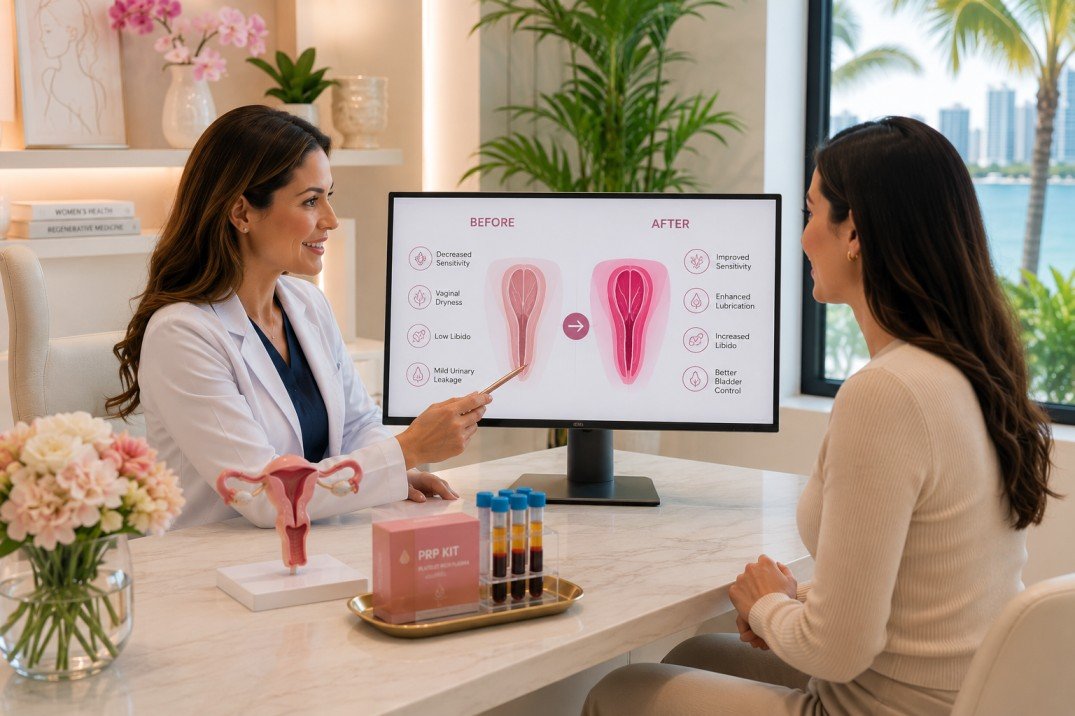
The growing interest in non-surgical wellness treatments has placed the O-Shot firmly in the spotlight. Women searching for solutions to sexual wellness concerns, urinary incontinence, vaginal dryness, or post-menopausal discomfort often come across dramatic “before and after” stories online. Some testimonials describe life-changing improvements, while others remain skeptical about whether the procedure truly delivers meaningful results. That curiosity has fueled one of the most searched questions online: What can you realistically expect from O-Shot before and after results?
The O-Shot, officially known as the Orgasm Shot, uses platelet-rich plasma (PRP) derived from the patient’s own blood. The concept sounds futuristic, but the science behind PRP has already been used for years in sports medicine, orthopedic therapy, and skin rejuvenation. The idea is simple yet fascinating: harness the body’s own healing mechanisms to stimulate tissue regeneration and improve sensitivity. For many women, the treatment represents more than cosmetic enhancement—it can impact confidence, intimacy, comfort, and quality of life.
Still, expectations matter. Not every patient experiences overnight transformation, and the degree of improvement can vary widely based on age, hormonal status, health conditions, and provider expertise. Understanding the real timeline, the likely benefits, and the limitations of the treatment helps separate genuine outcomes from marketing hype. This article explores every aspect of O-Shot before and after results, including the procedure itself, recovery, realistic expectations, timelines, side effects, and factors that influence success.
Understanding the O-Shot Procedure
The O-Shot procedure has become one of the most discussed regenerative wellness treatments in recent years because it combines minimally invasive techniques with the body’s natural healing response. While the treatment often appears in beauty clinics and sexual wellness centers, many people still do not fully understand how it works or why it has attracted so much attention. Looking closely at the science and the process reveals why many women report positive “before and after” experiences.
What Is the O-Shot?
The O-Shot is a non-surgical procedure that uses platelet-rich plasma extracted from the patient’s own blood. A small sample of blood is drawn and placed into a centrifuge, which separates the platelet-rich plasma from other blood components. That concentrated plasma contains growth factors believed to stimulate tissue repair, collagen production, and increased blood flow. The PRP is then carefully injected into specific areas of vaginal tissue and the clitoral region.
The treatment was developed to address concerns such as decreased sexual sensation, difficulty achieving orgasm, vaginal dryness, mild urinary incontinence, and discomfort during intimacy. Because the injected material comes from the patient’s own body, allergic reactions are extremely rare. The entire process typically takes under an hour, making it attractive for people seeking minimally invasive solutions with little downtime.
Many women are drawn to the treatment because it avoids surgery and synthetic fillers. Instead of altering anatomy artificially, the O-Shot focuses on regeneration and improved circulation. Think of it like fertilizing a garden rather than replacing the soil altogether. The body already has the machinery for healing; PRP simply attempts to amplify that process.
How Platelet-Rich Plasma Works
Platelets are tiny blood components best known for helping blood clot after injury. But they also contain growth factors that play a major role in healing damaged tissue. When concentrated into PRP, these platelets may help stimulate new cell growth, blood vessel formation, and collagen production. In theory, this regenerative effect improves tissue health and sensitivity in the treated area.
Research on PRP is still evolving, but studies in dermatology and orthopedic medicine suggest that platelet-rich plasma can support tissue repair and rejuvenation. According to a 2023 report published in regenerative medicine research, PRP treatments continue to expand because of their relatively low risk profile and regenerative potential. The O-Shot applies those same principles to intimate wellness.
Why Women Choose the O-Shot
Women seek the O-Shot for many reasons, and those reasons often extend far beyond intimacy alone. Hormonal changes, childbirth, stress, aging, and medical conditions can significantly affect vaginal health and sexual wellness. For some women, these changes impact emotional confidence just as much as physical comfort.
Common Concerns the O-Shot Addresses
One of the biggest motivations behind the O-Shot is the desire to restore sensitivity and pleasure. Many women notice changes after childbirth or menopause that reduce sexual responsiveness. Others experience vaginal dryness that makes intimacy uncomfortable or even painful. Mild urinary leakage during exercise, coughing, or laughing is another common issue that leads women to explore regenerative treatments.
The O-Shot is often promoted as a potential solution for key feminine concerns:
| Concern | Possible O-Shot Benefit |
|---|---|
| Vaginal dryness | Increased natural lubrication |
| Reduced sensitivity | Enhanced sensation |
| Difficulty reaching orgasm | Improved responsiveness |
| Mild urinary incontinence | Better tissue support |
| Pain during intercourse | Improved tissue health |
These concerns are more common than many people realize. According to the North American Menopause Society, nearly half of postmenopausal women report symptoms related to vaginal dryness or discomfort. Treatments like the O-Shot appeal to women looking for alternatives to surgery or hormone therapy.
Physical and Emotional Benefits
The “before and after” conversation surrounding the O-Shot is not just physical. Emotional well-being often plays a huge role in patient satisfaction. Feeling disconnected from intimacy or struggling with discomfort can affect relationships and self-esteem. Many women say that even modest improvements can restore confidence and reduce anxiety. Choosing a treatment can feel empowering, especially for women who have silently dealt with these concerns for years. While the O-Shot is not a miracle cure, it can represent a turning point for women seeking greater comfort and confidence.
O-Shot Before and After Timeline
Understanding the timeline helps create realistic expectations. One of the biggest misconceptions about the O-Shot is the idea that results appear instantly. Regenerative therapies work gradually because they rely on the body’s natural healing response.
| Phase | Typical Experience |
|---|---|
| Immediately After | Mild swelling or localized sensitivity. Return to usual daily activities same day. |
| First 3–6 Weeks | Early improvements in lubrication, sensitivity, and bladder control begin to manifest. |
| 2–3 Months | Peak results as collagen remodeling and new capillary networks fully mature. |
| 12–18 Months | Stable duration of benefits before a gradual, natural return to baseline. |
What Happens Immediately After the Procedure
Immediately after the O-Shot, mild swelling or sensitivity may occur around the injection sites. Most women can return to normal activities the same day. Some patients notice increased sensitivity within the first 24 to 48 hours, although this is not universal. The treatment area may feel slightly tender, similar to mild irritation after cosmetic injections. Because numbing cream is usually applied before treatment, discomfort during the procedure itself is generally minimal. Many providers compare it to a quick cosmetic appointment rather than a medical surgery.
Changes During the First Few Weeks
Most noticeable changes begin appearing within several weeks. Tissue regeneration and improved blood flow take time, so patience becomes important. Women may start noticing improved lubrication, heightened sensitivity, or better bladder control during this phase. The first month often represents the most exciting stage because subtle changes become more apparent. Some women describe orgasms as easier to achieve or more intense. Others primarily notice reduced dryness or less discomfort during intimacy.
Long-Term Results After Several Months
Full O-Shot results often develop over two to three months. This is when collagen remodeling and vascular improvements become more established. Some women continue noticing improvements for up to six months after treatment. Results are not necessarily permanent. Many providers recommend maintenance treatments every 12 to 18 months depending on symptoms and patient goals. Aging and hormonal fluctuations continue over time, so periodic treatments may help sustain benefits.
Realistic Before and After Expectations
One of the biggest reasons women feel disappointed with cosmetic or wellness treatments is unrealistic expectations. Social media can make the O-Shot appear almost magical, with dramatic claims suggesting immediate transformation. The reality is more nuanced. Most successful O-Shot experiences involve gradual, moderate improvements rather than overnight miracles. Understanding what “before and after” truly means helps patients evaluate results more accurately and avoid frustration.
Improvements in Sexual Wellness
The most commonly discussed O-Shot benefit involves sexual wellness and sensitivity. Many women seek treatment because intimacy no longer feels the same after childbirth, menopause, stress, or hormonal changes. Some describe reduced sensation, difficulty reaching orgasm, or a general lack of responsiveness. After treatment, patients often report increased blood flow and sensitivity in intimate areas, which may contribute to improved arousal and stronger orgasms.
Still, the results are highly individualized. Sexual wellness depends on far more than physical tissue alone. Emotional connection, stress levels, hormone balance, medications, mental health, and relationship dynamics all play a role. A woman dealing with severe anxiety or hormonal imbalance may not experience the same results as someone whose concerns are primarily tissue-related. That distinction matters because no injection can completely override broader health and emotional factors.
Changes in Urinary Incontinence
Another major reason women pursue the O-Shot involves mild urinary incontinence, especially stress incontinence. This refers to bladder leakage during coughing, sneezing, laughing, or exercise. Pregnancy, childbirth, menopause, and aging often weaken pelvic tissues and reduce bladder support. For many women, these symptoms become embarrassing and frustrating long before they seek medical help.
The regenerative potential of PRP may improve tissue strength and vascular support around the urethra and vaginal walls. Women often notice reduced leakage during physical activities after treatment. Some patients describe dramatic improvement, while others report only subtle changes. The severity of incontinence strongly affects outcomes. Mild cases tend to respond better than severe structural issues that may require surgical intervention.
Skin and Tissue Rejuvenation Results
One of the lesser-discussed but important aspects of O-Shot before and after results involves tissue rejuvenation. As estrogen levels decline with age, vaginal tissues may become thinner, drier, and less elastic. This process can lead to irritation, discomfort, and pain during intimacy. PRP therapy aims to stimulate healthier tissue development through collagen production and improved circulation. Women often notice increased hydration and elasticity over time. Vaginal tissues may feel healthier and more resilient, similar to how skin rejuvenation treatments improve texture and firmness elsewhere on the body.
Factors That Affect O-Shot Results
Not all O-Shot experiences are identical. Several variables influence how well the treatment works and how noticeable the before and after transformation becomes. Understanding these factors can help patients make more informed decisions and set realistic goals before undergoing the procedure.
Age and Hormonal Health
Age plays a major role in regenerative treatments because healing capacity changes over time. Younger patients often have stronger collagen production and healthier vascular function, which may support more noticeable results. Women approaching or experiencing menopause may still benefit significantly, but hormonal changes can affect tissue responsiveness. Estrogen levels are particularly important. Low estrogen contributes to tissue thinning, dryness, and reduced elasticity. Women with severe hormonal imbalances may experience better outcomes when the O-Shot is combined with hormone optimization or other supportive therapies.
Lifestyle and Overall Wellness
Lifestyle habits directly influence the body’s ability to heal and regenerate tissue. Smoking, chronic stress, poor sleep, dehydration, and inadequate nutrition can all interfere with circulation and collagen production. Women who maintain healthy habits often report stronger and longer-lasting results after regenerative procedures. Hydration is particularly important because healthy tissue relies heavily on blood flow and cellular function. Regular exercise also supports circulation, which may enhance healing responses after treatment.
Experience of the Provider
One of the most overlooked factors in O-Shot success is provider expertise. PRP preparation techniques, injection placement, patient assessment, and sterile procedures all influence outcomes. A highly experienced provider understands anatomy, regenerative medicine principles, and individualized treatment planning. Improper PRP preparation may reduce platelet concentration and limit effectiveness. Injection technique also matters because precise placement affects tissue stimulation and blood flow response.
O-Shot Recovery and Aftercare
Recovery from the O-Shot is generally straightforward compared to surgical procedures, which is one reason the treatment has become increasingly popular. Most women can resume normal activities quickly, but proper aftercare still plays an important role in comfort and overall results.
What to Avoid After Treatment
Immediately after the procedure, providers usually recommend avoiding intense physical activity for at least 24 to 48 hours. Heavy workouts, cycling, or activities that create pressure or friction in the treated area may increase irritation during the early healing phase. Some clinics advise avoiding sexual intercourse for a brief period, typically around one to three days, depending on sensitivity levels. This recommendation helps minimize irritation while allowing the injection sites to settle properly.
Tips to Maximize Results
Patients often ask how to achieve the best possible O-Shot before and after results. While there is no guaranteed formula, several habits may help support stronger outcomes:
- Stay Hydrated: Support blood volume and circulation to help PRP elements thrive.
- Pelvic Workouts: Integrate Kegels or pelvic floor therapies to reinforce structural support.
- Adopt Healthy Habits: Avoid smoking and support healthy tissue oxygenation.
- Be Patient: Allow 8 to 12 weeks for collagen modeling to fully develop.
Balanced hormone health also plays a major role. Women experiencing severe menopausal symptoms may benefit from discussing hormone therapy or other supportive treatments with their healthcare provider. Addressing underlying hormonal issues often enhances tissue responsiveness and comfort.
Risks and Side Effects
The O-Shot is often marketed as a low-risk procedure because it uses platelet-rich plasma derived from the patient’s own blood. That reduces the likelihood of allergic reactions or rejection compared to synthetic substances. Even so, no medical treatment is entirely free of risk.
Temporary Side Effects
Most side effects associated with the O-Shot are mild and short-lived. Women commonly report temporary swelling, redness, tenderness, or mild bruising around the injection sites. These symptoms usually fade within a few days and are similar to what many people experience after cosmetic injections or minor dermatological procedures. Spotting can also occur occasionally if the tissue is delicate or experiencing thinning.
Rare Complications
Serious complications from the O-Shot are uncommon, but they remain possible. Infection is one of the primary risks whenever injections penetrate skin or mucosal tissue. Choosing a reputable provider who follows strict sterile techniques significantly lowers this risk. Improper injection placement may lead to uneven results, prolonged discomfort, or unsatisfactory outcomes. The anatomy involved is delicate, and precision plays a major role in achieving safe treatment outcomes.
Comparing O-Shot Before and After Photos
Before-and-after images dominate online searches related to the O-Shot. Clinics often showcase patient testimonials alongside success stories designed to attract attention. While these images can provide some insight into possible outcomes, they should be interpreted carefully and realistically.
What Before and After Images Really Show
Unlike facial cosmetic procedures, the O-Shot often addresses internal changes that are not always visually dramatic. The most meaningful results usually involve sensation, lubrication, comfort, and bladder control rather than major visible transformation. External photos cannot fully capture the functional and emotional improvements patients describe. A woman experiencing less pain during intimacy or better bladder control may feel profoundly different even if visual changes appear minimal. Lighting, camera angles, and patient selection also influence perception, so visual guides represent selected highlights rather than guaranteed experiences.
Is the O-Shot Worth It?
The question of whether the O-Shot is worth it depends heavily on personal goals, medical history, expectations, and budget. For some women, the treatment becomes a valuable part of improving quality of life. For others, the results may feel too subtle to justify the cost.
Who Is the Ideal Candidate?
Women experiencing mild to moderate concerns related to intimacy, vaginal dryness, sensitivity loss, or stress urinary incontinence often represent the best candidates for the O-Shot. Patients who want non-surgical options and prefer treatments using their body’s own regenerative materials also find the procedure appealing. The ideal candidate generally has realistic expectations and understands that the O-Shot is a gradual regenerative approach, not a permanent surgical cure-all.
Conclusion
The growing popularity of the O-Shot before and after conversation reflects a larger shift toward regenerative and minimally invasive wellness treatments. The O-Shot offers a unique approach by using platelet-rich plasma from the patient’s own body to stimulate healing, circulation, and tissue rejuvenation. While results vary based on age, hormones, and biology, women who approach the treatment with realistic expectations and personalized goals tend to report the greatest satisfaction with their overall results.
Frequently Asked Questions
1. How long does it take to see O-Shot results?
Most women begin noticing subtle improvements within a few weeks, while full results typically develop over two to three months as collagen production and tissue regeneration continue.
2. How long do O-Shot results last?
Results commonly last between 12 and 18 months, although this varies based on age, hormonal health, lifestyle, and individual healing response.
3. Is the O-Shot painful?
The procedure is usually well tolerated because numbing cream is applied beforehand. Most women describe the injections as mildly uncomfortable rather than painful.
4. Can the O-Shot help with urinary incontinence?
Yes, many women report improvement in mild stress urinary incontinence symptoms, especially leakage during exercise, coughing, or sneezing.
5. Are there any serious risks associated with the O-Shot?
Serious complications are rare, but possible risks include infection, prolonged discomfort, or unsatisfactory results. Choosing an experienced provider significantly reduces these risks.