
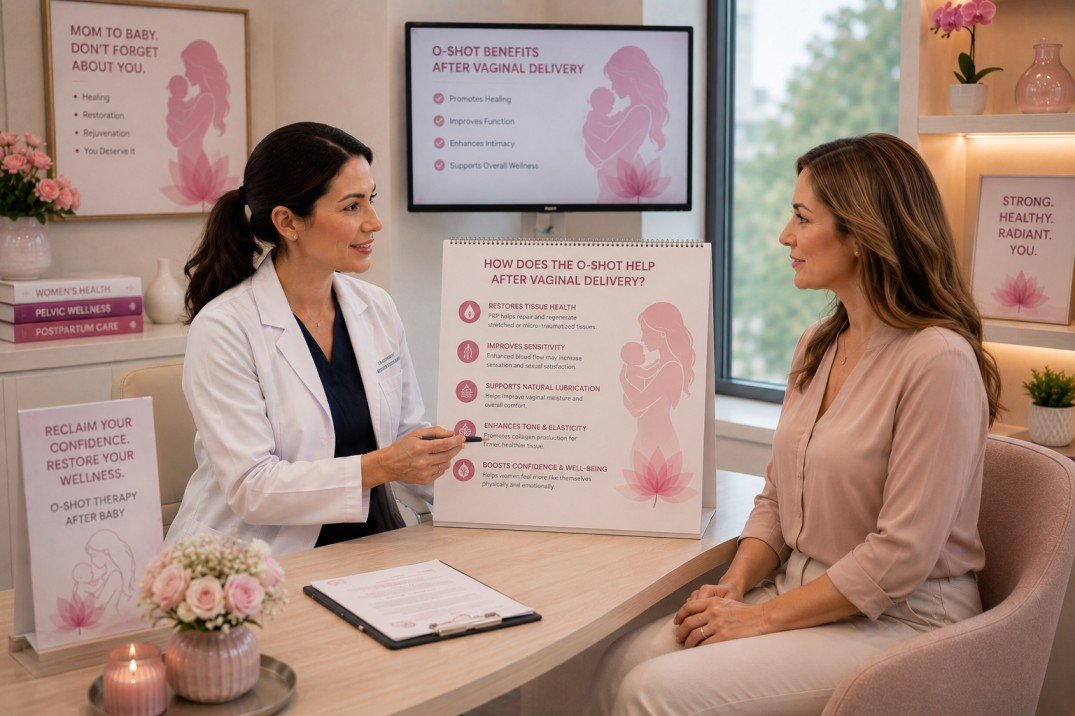
Bringing a baby into the world is one of life's most remarkable experiences, but it also places tremendous physical demands on the body. After a vaginal delivery, many women notice changes they didn't anticipate. Vaginal tissues may feel different, pelvic muscles can weaken, intimacy may become uncomfortable, and symptoms such as urinary leakage or vaginal dryness can affect everyday confidence. While these postpartum changes are common, they don't have to become a permanent part of life.
In recent years, regenerative medicine has opened new possibilities for postpartum recovery. One treatment gaining increasing attention is the O-Shot, also known as the Orgasm Shot, which uses Platelet-Rich Plasma (PRP) derived from the patient's own blood. Rather than masking symptoms, the treatment aims to stimulate the body's natural healing processes, encouraging tissue repair, improved blood flow, and collagen production.
Many women considering the O-Shot ask an important question: Can it really help after vaginal delivery? The answer depends on several factors, including the symptoms being treated, the patient's overall health, and realistic expectations. While early research and clinical experience are encouraging, the procedure is not a cure-all, and more large-scale studies are still needed to fully establish its long-term effectiveness.
This guide explains how the O-Shot works after childbirth, what postpartum symptoms it may help improve, what current evidence suggests, and what women should know before deciding whether this regenerative treatment is right for them.
Understanding Postpartum Changes After Vaginal Birth
Pregnancy and childbirth trigger extraordinary changes throughout the body. During vaginal delivery, the pelvic floor muscles, connective tissues, nerves, and vaginal walls stretch significantly to allow the baby to pass through the birth canal. Although the body is remarkably capable of healing, recovery isn't always complete or predictable. Some women bounce back relatively quickly, while others continue experiencing symptoms months or even years after giving birth.
One of the most common concerns involves changes in vaginal tissue quality. Hormonal fluctuations—particularly lower estrogen levels during breastfeeding—can reduce natural lubrication, making intercourse uncomfortable. Tiny tears, episiotomies, or more significant perineal injuries may also contribute to prolonged discomfort as tissues heal. Even when visible healing has occurred, some women continue noticing reduced sensation or a feeling of decreased vaginal support.
Another frequent issue is pelvic floor dysfunction. Pregnancy places considerable strain on the muscles supporting the bladder, uterus, and bowel, and vaginal delivery may further weaken these structures. As a result, women may experience mild stress urinary incontinence, pelvic pressure, or difficulty controlling urine during activities such as coughing, sneezing, laughing, or exercising. While pelvic floor physical therapy remains a cornerstone of treatment, some patients seek additional regenerative options to complement rehabilitation.
Sexual wellness is another area that often changes after childbirth but receives less public attention. Fatigue, hormonal changes, body image concerns, and tissue healing all influence intimacy. Reduced arousal, discomfort during intercourse, or difficulty reaching orgasm can affect emotional well-being and relationships. According to published research, postpartum sexual dysfunction is relatively common during the first year after childbirth, although symptoms vary widely among individuals.
Understanding these normal physiological changes helps explain why regenerative treatments like the O-Shot have attracted growing interest. Instead of simply managing symptoms, the goal is to encourage healthier tissue repair through the body's own biological healing mechanisms.
What Is the O-Shot?
The O-Shot (Orgasm Shot) is a minimally invasive regenerative procedure that uses Platelet-Rich Plasma (PRP) to support tissue repair in specific areas of the vagina and surrounding structures. Originally developed to address aspects of female sexual wellness, the treatment is now also explored for women experiencing postpartum concerns such as vaginal dryness, reduced sensation, mild stress urinary incontinence, and discomfort related to tissue changes.
The procedure begins with a simple blood draw. A small amount of the patient's blood is processed in a centrifuge to separate and concentrate platelets, which contain numerous growth factors involved in healing. After applying a topical anesthetic for comfort, the clinician injects the PRP into carefully selected treatment areas. Because the material comes from the patient's own body, the risk of allergic reaction is extremely low.
Unlike surgery, the O-Shot requires little downtime. Most appointments take less than an hour, and many women return to normal daily activities shortly afterward. Improvements generally develop gradually over several weeks as collagen remodeling, new blood vessel formation, and tissue regeneration occur.
It's important to understand that while many women report meaningful improvements, responses vary. Professional organizations such as the American College of Obstetricians and Gynecologists (ACOG) note that more high-quality clinical research is needed before regenerative procedures like the O-Shot become part of routine postpartum care. Women should therefore view the treatment as one potential option within a broader postpartum recovery plan rather than as a guaranteed solution.
How the O-Shot Works
The effectiveness of the O-Shot lies in the biological activity of platelets. Although platelets are widely known for their role in blood clotting, they also store dozens of growth factors that help coordinate tissue healing after injury. Once injected, activated platelets release signaling proteins that encourage collagen synthesis, improve circulation, stimulate angiogenesis (the formation of new blood vessels), and recruit cells involved in tissue repair.
After vaginal delivery, tissues that have stretched, torn, or undergone significant stress may benefit from improved regenerative support. By enhancing blood flow and promoting collagen production, PRP may help restore tissue quality, elasticity, and overall function. Healthier tissue can potentially contribute to improved lubrication, reduced discomfort, and enhanced sensitivity over time.
The healing process is gradual rather than immediate. While biological activity begins shortly after treatment, collagen remodeling and vascular changes continue for several weeks or months. Some women notice progressive improvements in comfort and function during this period, although outcomes differ based on age, hormonal status, breastfeeding, overall health, and the severity of postpartum changes.
Because regeneration depends on the body's natural healing capacity, the O-Shot is generally most effective when paired with healthy lifestyle habits and, when appropriate, other evidence-based postpartum therapies.
What Is Platelet-Rich Plasma (PRP)?
Platelet-Rich Plasma (PRP) is created by concentrating platelets from a patient's own blood. After the blood sample is collected, it is placed into a centrifuge that separates platelets from other blood components. The resulting plasma contains a much higher concentration of platelets than is normally present in circulation.
These platelets release important biological molecules such as platelet-derived growth factor (PDGF), vascular endothelial growth factor (VEGF), transforming growth factor-beta (TGF-β), and epidermal growth factor (EGF). Together, these signaling molecules play key roles in tissue repair, collagen formation, blood vessel development, and wound healing.
PRP has been used for many years in sports medicine, orthopedics, dermatology, dentistry, and wound care before gaining popularity in gynecology and aesthetic medicine. Its long history across multiple specialties contributes to its favorable safety profile, although researchers continue studying the most effective preparation methods, injection techniques, and treatment protocols.
One of PRP's greatest strengths is that it is autologous, meaning it comes from the patient. This minimizes the risk of allergic reactions and makes it an appealing option for women interested in regenerative medicine after childbirth.
Common Postpartum Concerns the O-Shot May Address
Every woman's postpartum recovery is unique. Some regain pelvic strength and comfort within a few months, while others continue experiencing symptoms that interfere with daily life, exercise, confidence, and intimacy. The O-Shot with PRP is not intended to replace traditional postpartum care, but it may complement other therapies by encouraging tissue regeneration and improving overall vaginal health. Below are some of the most common concerns for which women explore this treatment.
Vaginal Dryness
One of the most frequently reported postpartum symptoms is vaginal dryness, particularly among breastfeeding mothers. During breastfeeding, estrogen levels naturally decline, which can reduce vaginal lubrication and make tissues thinner and more sensitive. This hormonal change often causes discomfort during intimacy and may affect overall sexual confidence.
The O-Shot aims to improve tissue quality by stimulating blood circulation and collagen production. Better blood flow may support healthier vaginal tissue, while collagen remodeling can enhance elasticity and hydration over time. Although PRP does not directly increase estrogen levels, healthier tissue may help improve the vagina's natural ability to maintain moisture.
Women often ask whether the O-Shot can replace lubricants or hormone therapy. The answer depends on the underlying cause of dryness. For women whose symptoms are primarily hormonal, topical estrogen or other medical treatments may still be appropriate. For others experiencing tissue changes after childbirth, regenerative therapy may offer additional support alongside conventional treatment.
Because postpartum recovery involves many biological processes occurring simultaneously, improvement tends to develop gradually rather than immediately. Most women who experience benefits report progressive changes over several weeks as tissue healing continues.
Reduced Sexual Sensation
Changes in sexual sensation after vaginal delivery are more common than many people realize. Pregnancy, childbirth, hormonal shifts, pelvic floor stretching, sleep deprivation, and emotional adjustments all influence sexual function. Some women notice decreased sensitivity or require more stimulation to achieve orgasm than they did before childbirth.
The O-Shot is designed to enhance tissue health rather than alter anatomy. PRP encourages the development of new blood vessels and supports nerve function through regenerative signaling. Improved circulation may contribute to increased sensitivity for some women, while healthier tissue may enhance overall sexual comfort and responsiveness.
It's important to recognize that sexual wellness is influenced by far more than tissue healing alone. Relationship dynamics, mental health, fatigue, stress, hormonal balance, medications, and pelvic floor muscle function all play significant roles. The best outcomes often occur when regenerative treatments are integrated into a comprehensive approach to postpartum wellness rather than viewed as a standalone solution.
Current clinical evidence suggests that some women report meaningful improvements in sexual satisfaction following PRP-based therapies. However, responses vary considerably, and larger randomized clinical trials are still needed to determine which patients benefit most.
Mild Stress Urinary Incontinence
Many women experience stress urinary incontinence (SUI) after vaginal delivery. Leakage during coughing, laughing, sneezing, jumping, or exercise occurs because pregnancy and childbirth place significant strain on the pelvic floor muscles and supportive tissues around the bladder and urethra.
The O-Shot has been explored as a minimally invasive treatment for mild urinary leakage. By promoting tissue regeneration around the urethra and supporting surrounding connective tissue, PRP may improve structural support and urinary control in selected patients.
Research in this area remains encouraging but limited. Several small studies have reported improvements in mild stress urinary incontinence following PRP injections, although outcomes vary among individuals. Women with more severe pelvic floor dysfunction or significant pelvic organ prolapse may require additional interventions, including pelvic floor physical therapy or surgical consultation.
Most specialists continue to recommend pelvic floor rehabilitation as first-line treatment, with regenerative procedures considered as complementary options rather than replacements. Combining strengthening exercises with regenerative medicine may provide more comprehensive support than either approach alone.
Pain During Intercourse
Painful intercourse, medically known as dyspareunia, affects many women during the postpartum period. Healing from perineal tears, episiotomies, scar tissue formation, hormonal dryness, muscle tension, and psychological factors can all contribute to discomfort.
Because PRP supports tissue repair and collagen remodeling, some clinicians believe it may improve the flexibility and health of healing tissues. Increased vascularity may also promote healthier scar remodeling, potentially reducing discomfort associated with tight or sensitive tissue.
However, persistent pain after childbirth should always receive a thorough medical evaluation. Infections, pelvic floor muscle dysfunction, nerve injuries, or other gynecological conditions require appropriate diagnosis before regenerative treatments are considered.
For women whose discomfort primarily relates to tissue quality rather than underlying pathology, the O-Shot may become one component of a broader treatment strategy that includes pelvic floor therapy, lubrication, hormonal management when appropriate, and gradual return to sexual activity.
Can the O-Shot Improve Tissue Healing After Childbirth?
The body's natural healing response after childbirth is remarkably complex. Following vaginal delivery, damaged tissues begin repairing themselves through inflammation, collagen formation, angiogenesis, and cellular remodeling. PRP therapy seeks to enhance these natural biological processes by delivering a concentrated source of platelets directly to the treatment area.
Platelets release numerous growth factors involved in wound healing. These include vascular endothelial growth factor (VEGF), which promotes new blood vessel formation, and platelet-derived growth factor (PDGF), which helps recruit cells responsible for tissue repair. Improved circulation may supply healing tissues with more oxygen and nutrients, while collagen production contributes to stronger, more elastic connective tissue.
One area generating particular interest is scar remodeling. Women who experienced episiotomies or second-degree tears sometimes develop scar tissue that remains tight or uncomfortable long after visible healing has occurred. Although scientific evidence is still emerging, regenerative medicine specialists believe PRP may help improve tissue flexibility and overall scar quality in selected cases.
Researchers continue investigating how regenerative therapies influence postpartum healing at the cellular level. While laboratory findings are promising, large-scale human clinical trials remain limited. As a result, healthcare providers should present PRP as an evidence-informed option with encouraging early results rather than a guaranteed method for accelerating recovery.
Patients considering treatment should also remember that successful healing depends on many factors beyond PRP, including nutrition, adequate rest, hormonal status, physical activity, breastfeeding, chronic medical conditions, and pelvic floor rehabilitation. Regenerative medicine works best when integrated into a comprehensive postpartum care plan.
Benefits of the O-Shot After Vaginal Delivery
Although individual results vary, women exploring the O-Shot after childbirth are often interested in several potential benefits. These benefits are based on current clinical experience, published research, and the known biological effects of PRP.
| Potential Benefit | How PRP May Help |
|---|---|
| Improved vaginal lubrication | Supports healthier tissue and blood circulation |
| Enhanced tissue elasticity | Encourages collagen remodeling |
| Better sexual comfort | May reduce discomfort associated with tissue changes |
| Increased sensitivity | Improved vascularity may enhance tissue responsiveness |
| Support for mild urinary leakage | May strengthen tissues surrounding the urethra |
| Scar healing support | May encourage healthier tissue remodeling |
Beyond these physical improvements, many women report enhanced confidence and quality of life after addressing postpartum symptoms. Feeling more comfortable during exercise, intimacy, and daily activities can have meaningful emotional and psychological benefits.
Nevertheless, expectations should remain realistic. Not every patient experiences dramatic improvements, and regenerative medicine is not intended to replace comprehensive postpartum care. The most successful outcomes often occur when the O-Shot is combined with healthy lifestyle habits, pelvic floor exercises, appropriate medical management, and regular follow-up with a qualified healthcare provider.
Who Is a Good Candidate?
Women may consider the O-Shot after vaginal delivery if they continue experiencing symptoms that persist despite allowing adequate time for natural healing. Good candidates typically include women who have:
- Vaginal dryness
- Reduced sexual sensation
- Mild stress urinary incontinence
- Pain related to tissue healing
- Postpartum tissue laxity
- Decreased vaginal comfort during intimacy
Most providers recommend waiting until postpartum healing is well established before considering regenerative procedures. The appropriate timing varies depending on the individual, the nature of the delivery, breastfeeding status, and overall recovery. A comprehensive evaluation ensures that symptoms are not caused by untreated infections, significant pelvic organ prolapse, severe muscle injury, or other medical conditions requiring different treatment.
Women with blood clotting disorders, active infections, certain cancers, or significant platelet disorders may not be suitable candidates for PRP therapy. A personalized consultation is essential to determine whether regenerative treatment is appropriate based on medical history, current symptoms, and long-term health goals.
What Happens During the Procedure?
One reason the O-Shot has become increasingly popular is that it is a relatively quick, minimally invasive outpatient procedure that requires little interruption to a new mother's routine. Although every clinic follows its own protocol, the overall process is generally similar.
The appointment begins with a consultation to review your medical history, postpartum recovery, symptoms, medications, and treatment goals. Your healthcare provider will determine whether you're an appropriate candidate and discuss realistic expectations based on current clinical evidence. If you're breastfeeding, have recently delivered, or have experienced significant birth injuries, these factors will also be considered before recommending treatment.
Next, a small sample of blood—typically between 10 and 30 milliliters—is drawn from your arm. The blood is then placed in a medical centrifuge, where it is spun at high speed to separate the platelet-rich plasma (PRP) from the other blood components. This concentrated PRP contains platelets that release growth factors involved in tissue repair and regeneration.
Before the injections, a topical numbing cream or local anesthetic is applied to maximize comfort. The PRP is then carefully injected into targeted areas of the vaginal tissue and surrounding structures. Most women describe the injections as mildly uncomfortable rather than painful, particularly after the anesthetic has taken effect.
The entire appointment usually lasts 45 to 60 minutes, and patients are typically able to return home shortly afterward. Most providers recommend avoiding strenuous exercise and sexual intercourse for a short period, although recovery instructions vary depending on the individual's condition and the clinician's protocol.
Recovery and Results
Recovery following an O-Shot is generally straightforward. Since the treatment relies on the body's own healing response rather than surgical intervention, downtime is minimal. Many women return to work, childcare responsibilities, and normal daily activities on the same day or the following day.
Temporary side effects are usually mild and may include:
- Minor swelling
- Mild tenderness
- Slight bruising
- Light spotting
- Temporary sensitivity at the injection site
These symptoms generally resolve within a few days.
Unlike cosmetic treatments that produce immediate visible changes, regenerative medicine requires patience. Platelets begin releasing growth factors shortly after injection, but tissue remodeling occurs gradually. Most patients who notice improvement begin experiencing changes within 4 to 8 weeks, with continued progress over the following 2 to 3 months as collagen production and new blood vessel formation continue.
Reported improvements may include:
- Better vaginal lubrication
- Increased tissue elasticity
- Reduced discomfort during intercourse
- Enhanced sexual sensation
- Improvement in mild urinary leakage
- Greater overall vaginal comfort
The longevity of results varies considerably. Many clinicians report that benefits may last 12 to 18 months, although some patients choose maintenance treatments depending on their symptoms, hormonal status, aging, or future pregnancies.
Maintaining realistic expectations remains important. The O-Shot supports the body's natural healing capacity, but individual outcomes depend on age, overall health, hormone levels, pelvic floor strength, and lifestyle habits.
Safety, Risks, and Limitations
The O-Shot is generally considered safe when performed by an experienced healthcare professional using sterile techniques. Because PRP comes from the patient's own blood, the risk of allergic reactions or immune rejection is extremely low.
Nevertheless, like any medical procedure, the treatment carries potential risks. These may include:
- Temporary pain or discomfort
- Mild bleeding
- Bruising
- Infection (rare)
- Swelling
- Temporary urinary irritation
Serious complications are uncommon but can occur if procedures are performed improperly or under non-sterile conditions. This is why selecting a qualified provider with experience in female pelvic anatomy is essential.
Another important consideration is the current state of scientific evidence. While many patients report positive experiences and early studies have shown encouraging findings, professional organizations such as the American College of Obstetricians and Gynecologists (ACOG) continue to emphasize that larger, well-designed randomized clinical trials are needed to fully establish the effectiveness of PRP-based therapies for postpartum sexual dysfunction and urinary symptoms.
Patients should also be cautious of exaggerated marketing claims. No regenerative procedure can guarantee restored sexual function, eliminate urinary leakage in every patient, or reverse all postpartum changes. Honest discussions about expected outcomes are an important part of informed consent.
O-Shot vs Other Postpartum Treatment Options
The O-Shot is only one option among several treatments available for postpartum recovery. The most appropriate approach depends on the underlying cause of symptoms.
| Treatment | Best For | Invasiveness | Typical Recovery |
|---|---|---|---|
| Pelvic Floor Physical Therapy | Muscle weakness, urinary leakage | Non-invasive | None |
| Topical Estrogen (when appropriate) | Hormonal vaginal dryness | Non-invasive | Minimal |
| O-Shot (PRP) | Tissue regeneration and sexual wellness | Minimally invasive | 1–2 days |
| Energy-Based Vaginal Therapies* | Vaginal tissue remodeling | Minimally invasive | Short |
| Surgical Repair | Significant anatomical injury or prolapse | Surgical | Several weeks |
*The use of energy-based devices for vaginal rejuvenation has been the subject of regulatory review, and patients should discuss the current evidence, indications, and risks with their healthcare provider.
For many women, the best results come from combining therapies rather than relying on a single treatment. For example:
- Pelvic floor therapy improves muscle strength.
- Healthy nutrition supports tissue healing.
- Hormonal management may address breastfeeding-related dryness.
- PRP may encourage tissue regeneration.
- Lifestyle modifications help maintain long-term pelvic health.
A personalized postpartum recovery plan often provides better outcomes than any single intervention alone.
Conclusion
Recovering from vaginal delivery is a deeply personal journey, and no two women experience the postpartum period in exactly the same way. While many symptoms gradually improve with time, others—such as vaginal dryness, decreased sensitivity, mild urinary leakage, or discomfort during intimacy—can persist and affect overall quality of life.
The O-Shot with Platelet-Rich Plasma (PRP) offers a regenerative approach that seeks to enhance the body's natural healing processes rather than simply masking symptoms. By promoting collagen production, improving blood flow, and supporting tissue repair, it may help some women experience meaningful improvements in vaginal health and sexual wellness after childbirth.
Although the biological rationale is strong and early clinical findings are encouraging, current evidence is still evolving. Larger studies are needed to determine which patients benefit most, the optimal treatment protocols, and the long-term effectiveness of postpartum PRP therapy.
For women considering the O-Shot, the most important first step is a consultation with a qualified healthcare provider experienced in postpartum pelvic health and regenerative medicine. A personalized assessment can determine whether PRP is an appropriate addition to a comprehensive recovery plan that may also include pelvic floor rehabilitation, hormonal management when indicated, and ongoing gynecological care.
Ultimately, postpartum recovery is about restoring both physical comfort and confidence. With informed decision-making and evidence-based care, women have more options than ever before to support their long-term intimate wellness.
Frequently Asked Questions
1. How soon after vaginal delivery can you get the O-Shot?
Most healthcare providers recommend waiting until postpartum healing is complete, often after the routine postpartum check-up. The exact timing depends on your recovery, breastfeeding status, and any birth-related injuries. Your provider will determine the safest timeframe for treatment.
2. Does the O-Shot help with postpartum urinary leakage?
It may help women with mild stress urinary incontinence by supporting tissue regeneration around the urethra. However, pelvic floor physical therapy remains the first-line treatment, and severe urinary symptoms may require additional evaluation.
3. Is the O-Shot painful?
Most women report minimal discomfort. A topical anesthetic or local numbing medication is typically applied before the injections, making the procedure well tolerated.
4. Can breastfeeding mothers have the O-Shot?
Eligibility depends on your overall health and stage of postpartum recovery. Because breastfeeding influences hormone levels and tissue healing, your healthcare provider will determine whether treatment is appropriate based on your individual circumstances.
5. Is the O-Shot scientifically proven?
The O-Shot has shown promising results in early studies and clinical practice, but larger, high-quality clinical trials are still needed. Patients should discuss the current evidence, potential benefits, and limitations with a qualified healthcare professional before proceeding.