
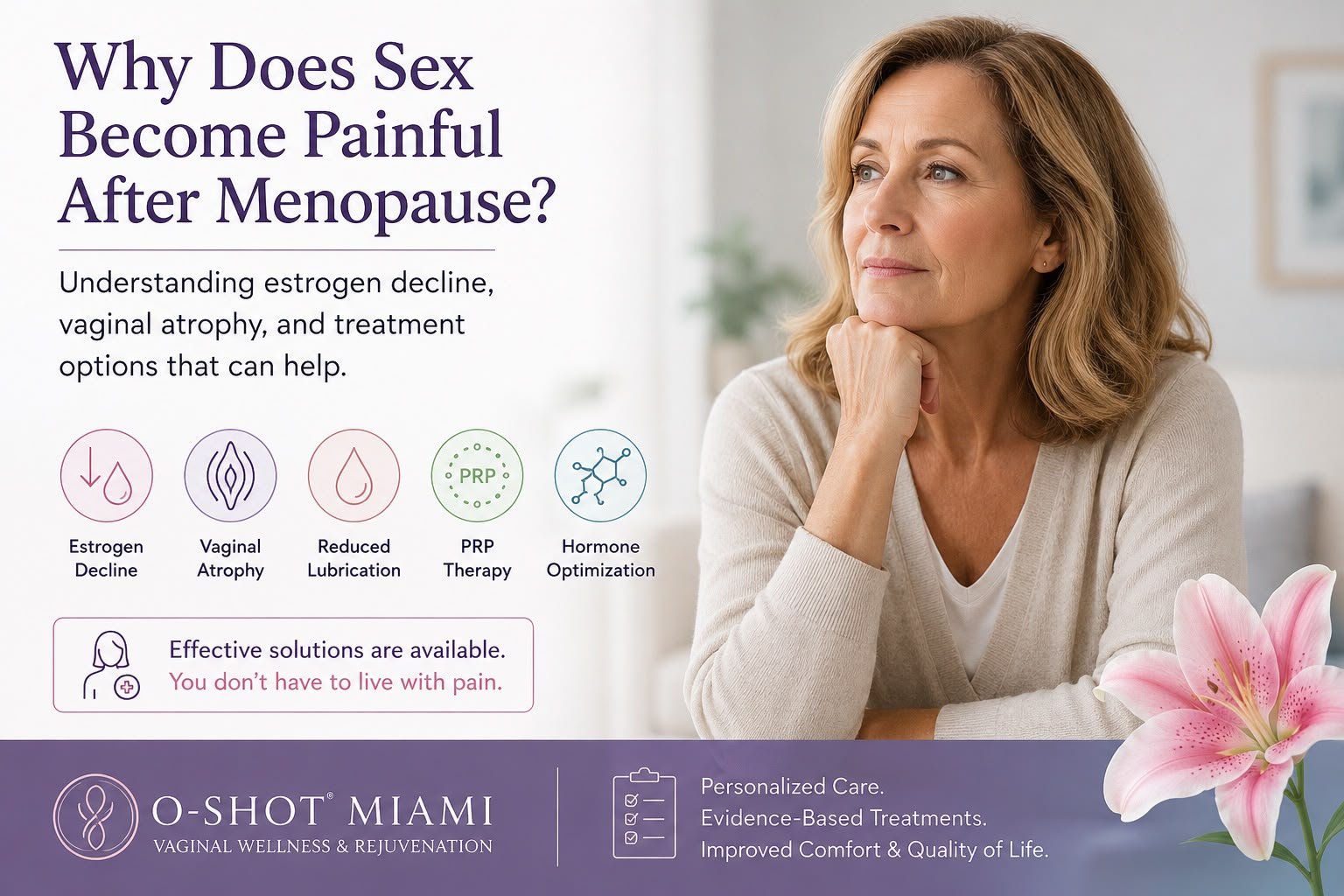
Menopause is a natural stage of life, but for many women it also brings unexpected changes that affect comfort, confidence, and intimacy. One of the most common yet least discussed concerns is painful sex after menopause. Many women are surprised when intercourse that once felt enjoyable gradually becomes uncomfortable, causing burning, dryness, irritation, or pain. These symptoms often develop slowly, making them easy to dismiss as simply another part of ageing. Unfortunately, this misconception prevents countless women from seeking treatment that could significantly improve their quality of life.
The encouraging news is that painful intercourse after menopause is often treatable. Advances in women's health have expanded the range of evidence-based options available, from vaginal moisturisers and prescription estrogen therapies to hormone optimization, pelvic floor rehabilitation, and regenerative treatments such as PRP for vaginal rejuvenation. Although every woman's experience is unique, understanding the biological changes behind these symptoms is the first step toward finding relief.
This comprehensive guide explains why sex hurts after menopause, how declining estrogen affects vaginal tissues, what Genitourinary Syndrome of Menopause (GSM) is, and which treatment options may help restore comfort, improve vaginal health, and support a satisfying intimate life.
Why Painful Sex After Menopause Is More Common Than Many Women Realise
Although menopause is a universal life transition, conversations about sexual health often remain limited. Research published by organisations including the North American Menopause Society (NAMS) estimates that up to 50–70% of postmenopausal women experience symptoms of Genitourinary Syndrome of Menopause (GSM), yet many never seek medical care. Some feel embarrassed discussing intimacy, while others mistakenly believe discomfort is simply something they must accept.
Painful sex after menopause can have effects far beyond the bedroom. Persistent discomfort may reduce sexual desire, create anxiety before intimacy, strain relationships, and affect emotional wellbeing. Many women also notice urinary symptoms such as urgency, recurrent urinary tract infections, or frequent urination, which are closely linked to the same hormonal changes affecting vaginal tissues.
Fortunately, healthcare providers today recognise that these symptoms are both common and manageable. Evidence-based treatments continue to evolve, allowing many women to regain comfort and confidence. The key is recognising that pain is not an inevitable consequence of ageing—it is a symptom that deserves evaluation and, in many cases, treatment.
What Happens to the Body During Menopause?
Menopause officially occurs when a woman has gone 12 consecutive months without a menstrual period. Behind this milestone lies a significant hormonal shift, particularly the decline in estrogen, one of the body's most important reproductive hormones.
Estrogen supports much more than fertility. Throughout a woman's reproductive years, it helps maintain the thickness, elasticity, moisture, and blood supply of vaginal tissues. It also plays a vital role in collagen production, tissue repair, urinary tract health, and sexual response. As estrogen levels decline during menopause, these protective effects gradually diminish.
Unlike hot flushes or night sweats, which may lessen over time, the changes affecting vaginal tissues often continue to progress without treatment. This explains why many women notice that discomfort during intercourse develops gradually over several years rather than appearing suddenly.
The Role of Estrogen in Vaginal Health
Healthy estrogen levels help maintain a vaginal environment that is naturally resilient and well lubricated. The hormone stimulates blood flow, supports collagen formation, encourages natural lubrication during sexual arousal, and keeps the vaginal lining thick enough to resist irritation.
Estrogen also contributes to maintaining the normal acidic environment of the vagina, which helps protect against infection by supporting healthy bacterial populations. These combined effects allow the tissues to stretch comfortably during intercourse while remaining well hydrated and resistant to injury.
When estrogen production declines, each of these protective mechanisms becomes less effective. The tissues become thinner, lubrication decreases, and blood circulation slows. Over time, these changes can significantly affect comfort during intimacy.
How Estrogen Decline Changes Vaginal Tissue
Reduced estrogen causes gradual structural changes throughout the vaginal tissues. The lining becomes thinner and more delicate, making it more vulnerable to irritation and microscopic tears. Blood vessels supplying the area become less active, limiting oxygen and nutrient delivery needed for healthy tissue maintenance.
Collagen production also slows, reducing the strength and elasticity that once allowed tissues to stretch comfortably. The result is increased friction during intercourse, which may cause burning, pain, or even light bleeding afterwards. Many women also notice persistent vaginal dryness throughout the day, not only during sexual activity.
These biological changes explain why even women with previously pain-free sexual experiences may suddenly find intimacy uncomfortable after menopause.
What Is Genitourinary Syndrome of Menopause (GSM)?
The term vaginal atrophy was traditionally used to describe the thinning, drying, and inflammation of vaginal tissues caused by declining estrogen levels. Today, most medical organisations—including the American College of Obstetricians and Gynecologists (ACOG) and the North American Menopause Society (NAMS)—prefer the broader term Genitourinary Syndrome of Menopause (GSM) because it better reflects the wide range of symptoms many women experience after menopause.
GSM doesn't affect only the vagina. It can also involve the vulva, bladder, urethra, pelvic floor, and sexual function, making it a comprehensive condition rather than a single symptom. Unlike hot flushes, which often improve with time, GSM usually does not resolve on its own. In many cases, symptoms gradually worsen without appropriate treatment because estrogen levels remain low long after menopause.
One of the reasons GSM is underdiagnosed is that women often assume these symptoms are simply part of getting older. Some may feel uncomfortable discussing intimate health concerns, while others may not realise there are effective treatments available. Studies suggest that although millions of women experience GSM, only a minority seek professional evaluation.
Early recognition matters because addressing symptoms before significant tissue changes occur may help preserve vaginal health and improve long-term quality of life. Whether symptoms are mild or severe, a personalised assessment by a qualified healthcare provider can identify the underlying causes and determine the most appropriate treatment plan.
Why Vaginal Atrophy Is Now Called GSM
The shift from "vaginal atrophy" to Genitourinary Syndrome of Menopause reflects a better understanding of how menopause affects the female genitourinary system. While vaginal atrophy focuses mainly on tissue thinning, GSM recognises that hormonal changes influence multiple structures that work together.
Low estrogen affects the bladder and urethra as well as the vaginal tissues. This explains why women experiencing painful sex after menopause may also develop urinary urgency, frequent urination, recurrent urinary tract infections, or discomfort during pelvic examinations.
By recognising GSM as a broader medical condition, healthcare providers can evaluate the full spectrum of symptoms rather than treating vaginal dryness alone. This comprehensive approach often leads to better outcomes because therapies can be tailored to address each woman's unique combination of concerns.
Common Symptoms of GSM
Every woman experiences menopause differently, but some symptoms occur more frequently than others. Common signs of Genitourinary Syndrome of Menopause include:
- Vaginal dryness
- Pain during penetration
- Burning or stinging after intercourse
- Vaginal irritation or itching
- Reduced natural lubrication
- Light bleeding after sex
- Small tears or soreness following intimacy
- Frequent urinary tract infections
- Urinary urgency or frequent urination
- Pain during pelvic examinations
- Reduced sexual desire because intercourse has become uncomfortable
Many women notice these symptoms develop gradually over several years rather than appearing overnight. Because the progression is slow, it's easy to adapt without realising how much quality of life has changed. Seeking medical advice early can help prevent symptoms from becoming more severe.
Why Sex Hurts After Menopause
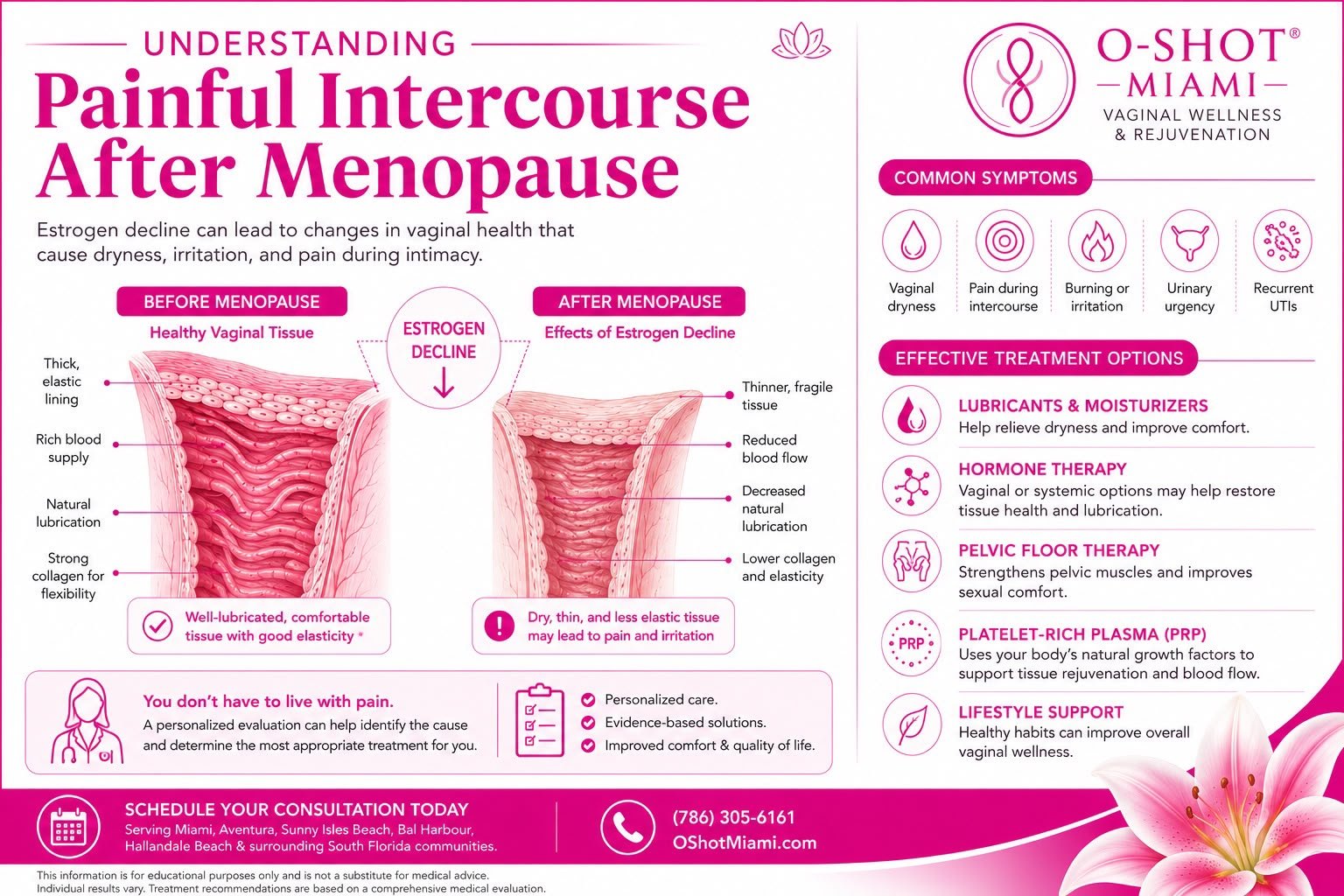
Painful intercourse after menopause rarely has a single cause. Instead, it usually results from several physiological changes occurring together. The most significant factor is declining estrogen, but reduced lubrication, tissue fragility, decreased blood flow, and lower collagen production all contribute to discomfort during intimacy.
Understanding these mechanisms helps explain why over-the-counter lubricants may provide temporary relief but often don't address the underlying tissue changes. Effective treatment typically involves identifying which factors are contributing most significantly in each individual woman.
Vaginal Dryness and Reduced Lubrication
One of the earliest and most common effects of menopause is vaginal dryness. Estrogen stimulates glands that produce natural moisture during sexual arousal. As hormone levels decline, these glands produce less lubrication, increasing friction during intercourse.
Without adequate moisture, delicate vaginal tissues become more susceptible to irritation. Even gentle penetration may cause burning, soreness, or microscopic tears that lead to discomfort for hours or even days afterwards. Women often describe a sensation of "sandpaper" friction, particularly if intercourse lasts longer or foreplay is shortened.
High-quality water-based or silicone-based lubricants can significantly reduce friction during intimacy. Vaginal moisturisers, used regularly rather than only during sexual activity, may also help maintain hydration between episodes of intercourse. While these products improve comfort for many women, they generally treat symptoms rather than reversing the hormonal changes responsible for tissue thinning.
Loss of Elasticity and Tissue Fragility
Estrogen also plays a vital role in maintaining the flexibility of vaginal tissues. As collagen production slows and the tissue layers become thinner, the vagina loses some of its natural elasticity.
This reduced flexibility means the vaginal opening may feel tighter, even though childbirth occurred years earlier. The tissues are less able to stretch comfortably, increasing the likelihood of pain during penetration. Small tears may occur more easily, particularly if dryness is also present.
Because these structural changes happen gradually, women may initially notice only occasional discomfort. Over time, however, intercourse may become increasingly painful if the underlying tissue health continues to decline without treatment.
Reduced Blood Flow and Collagen Production
Healthy blood circulation delivers oxygen and nutrients needed to maintain strong, resilient vaginal tissue. Estrogen supports this circulation, helping tissues remain healthy and responsive during sexual arousal.
After menopause, reduced blood flow contributes to slower healing, lower natural lubrication, and diminished sensation. At the same time, collagen production decreases, affecting the strength and elasticity of the vaginal walls.
These combined changes may lead to:
- Increased sensitivity to friction
- Slower tissue repair
- Reduced comfort during intimacy
- Decreased sexual satisfaction
- Greater risk of tissue injury
Understanding these biological processes highlights why therapies aimed at improving tissue quality—such as local estrogen therapy, hormone optimisation where appropriate, and certain regenerative approaches—have become important components of modern menopause care.
Symptoms That Shouldn't Be Ignored
Although discomfort during sex becomes more common after menopause, persistent symptoms should never be dismissed as "normal ageing." Pain is the body's way of signalling that something deserves attention, and while menopause is a frequent cause, other medical conditions may produce similar symptoms.
You should arrange a medical evaluation if you experience:
- Pain during intercourse that persists or worsens
- Bleeding after sex
- Persistent vaginal dryness
- Burning or irritation that doesn't improve
- Recurrent urinary tract infections
- Frequent urination or urinary urgency
- Pelvic pain
- Loss of intimacy because intercourse has become uncomfortable
A healthcare professional can determine whether symptoms are related to GSM, infection, dermatological conditions, pelvic floor dysfunction, or other gynaecological concerns. Prompt evaluation not only helps identify appropriate treatment but also provides reassurance that more serious conditions have been excluded.
Can Lubricants and Moisturisers Help?
For many women, lubricants and vaginal moisturisers are an excellent first step toward improving comfort. Although they don't reverse hormonal changes, they can substantially reduce friction and make intimacy more enjoyable.
Lubricants are designed for use during sexual activity. Water-based products are generally compatible with condoms and sex toys, while silicone-based lubricants often last longer and provide greater lubrication for women with significant dryness.
Vaginal moisturisers differ because they're intended for regular use, often several times a week, to improve tissue hydration even when you're not sexually active. They help maintain moisture within the vaginal lining and may reduce day-to-day discomfort.
It's important to remember that if dryness results from significant estrogen deficiency, moisturisers alone may not provide sufficient relief. Women with moderate to severe GSM often benefit from therapies that improve the underlying health of the vaginal tissue itself rather than simply adding temporary lubrication.
Hormone Optimization for Painful Sex After Menopause
For many women, hormone optimization is one of the most effective approaches to treating painful intercourse after menopause because it addresses the hormonal changes responsible for many symptoms. Rather than masking discomfort, hormone therapy aims to improve the health of vaginal tissues by restoring estrogen levels where medically appropriate.
Treatment always begins with a comprehensive medical evaluation. Your healthcare provider will review your symptoms, medical history, family history, current medications, and individual risk factors before recommending any form of hormone therapy. Not every woman is an appropriate candidate, which is why treatment should always be personalised rather than following a one-size-fits-all approach.
For women who qualify, hormone therapy may help:
- Improve natural vaginal lubrication
- Increase tissue thickness
- Restore elasticity
- Improve blood flow
- Reduce pain during intercourse
- Support urinary health
- Enhance overall vaginal comfort
The 2022 North American Menopause Society (NAMS) Hormone Therapy Position Statement supports the use of local vaginal estrogen as an effective treatment for many women with Genitourinary Syndrome of Menopause (GSM), particularly when symptoms are confined to the genitourinary tract.
Vaginal Estrogen Treatments
When symptoms primarily affect the vagina and urinary tract, local vaginal estrogen is often considered the first-line medical treatment. Because the medication acts directly on the affected tissues, systemic absorption is generally much lower than with whole-body hormone therapy.
Available options may include:
- Vaginal estrogen cream
- Vaginal estrogen tablets
- Vaginal estrogen rings
These treatments work by helping restore healthier vaginal tissue over time. As estrogen levels within the local tissues improve, many women notice increased moisture, improved elasticity, stronger tissue integrity, and reduced discomfort during intercourse.
Benefits typically develop gradually over several weeks rather than immediately. Continued treatment may be recommended to maintain results because the underlying estrogen deficiency remains after menopause.
Systemic Hormone Therapy and Bioidentical Hormones
Some women experience menopausal symptoms that extend beyond vaginal dryness, including hot flushes, sleep disturbances, mood changes, and reduced bone density. In these situations, a healthcare provider may discuss systemic hormone replacement therapy (HRT) if appropriate.
Systemic therapy may be delivered through:
- Oral tablets
- Skin patches
- Topical gels
- Sprays
Some patients also inquire about bioidentical hormone therapy. The term generally refers to hormones that are chemically identical to those naturally produced by the human body. Depending on the specific product, bioidentical hormones may be available as FDA-approved formulations or compounded preparations. Decisions regarding their use should always be made in consultation with an experienced healthcare professional, based on current clinical guidelines and individual health needs.
As emphasised by organisations such as ACOG and NAMS, hormone therapy should always be individualised after carefully weighing potential benefits and risks for each patient.
PRP for Vaginal Rejuvenation: What Does the Evidence Say?
In recent years, Platelet-Rich Plasma (PRP) has received increasing attention as a regenerative treatment for various medical conditions, including certain aspects of women's sexual health. Interest has grown among women seeking alternatives or complementary therapies for symptoms associated with menopause, such as vaginal dryness, discomfort during intimacy, and reduced sexual sensation.
PRP is created using a small sample of the patient's own blood. The blood is processed in a centrifuge to concentrate platelets, which contain naturally occurring growth factors involved in tissue repair and healing. The resulting platelet-rich plasma is then used in targeted medical procedures with the goal of supporting the body's natural regenerative processes.
Potential biological effects being studied include:
- Improved tissue quality
- Increased blood flow
- Enhanced collagen production
- Better hydration of vaginal tissues
- Improved sensation
- Greater comfort during intimacy
Although early clinical studies and patient reports have shown promising results, the scientific evidence remains evolving. Larger, well-designed randomised clinical trials are still needed to better understand the long-term effectiveness and ideal patient selection for PRP in treating GSM and menopause-related sexual dysfunction.
Women considering PRP should have realistic expectations and discuss both the potential benefits and current evidence with a qualified healthcare provider.
What Is the O-Shot®?
The O-Shot® is a proprietary procedure developed by Dr Charles Runels that uses platelet-rich plasma prepared from the patient's own blood. After processing the PRP, it is injected into specific anatomical areas as part of the treatment.
Some women seek the O-Shot® to address concerns such as:
- Vaginal dryness
- Pain during intercourse
- Mild urinary leakage
- Reduced sexual sensation
- Difficulty achieving orgasm
Because every patient is different, the procedure should only be considered following a comprehensive medical evaluation. Factors such as overall health, symptom severity, expectations, and alternative treatment options should all be discussed before deciding whether PRP-based therapy is appropriate.
For women seeking an O-Shot in Miami, consultation with an experienced physician familiar with menopause care, hormone health, and regenerative medicine helps ensure treatment decisions are based on current evidence and individual needs rather than marketing claims alone.
Lifestyle Changes That Support Vaginal Health
Medical treatments often provide the greatest improvement, but healthy daily habits can also play an important role in maintaining vaginal health after menopause.
- Stay sexually active. Regular sexual activity—whether with a partner or through self-stimulation—may help maintain blood flow, support tissue flexibility, and encourage natural lubrication. Consistent sexual activity has been associated with healthier vaginal tissue in some women experiencing menopause.
- Perform pelvic floor exercises. Strengthening the pelvic floor muscles through Kegel exercises or guided pelvic floor physical therapy may improve bladder control, enhance sexual function, and reduce pelvic discomfort.
- Exercise regularly. Physical activity improves circulation throughout the body, supports cardiovascular health, and contributes to overall wellbeing. Better circulation benefits vaginal tissues as well.
- Eat a nutrient-rich diet. A balanced diet containing vegetables, fruits, lean proteins, healthy fats, and whole grains provides nutrients that support tissue repair and collagen production. Staying well hydrated also contributes to overall tissue health.
- Avoid smoking. Smoking reduces blood flow, accelerates collagen breakdown, and may worsen menopause-related tissue changes. Quitting smoking benefits both overall health and vaginal health.
While lifestyle measures alone may not reverse GSM, they can complement medical therapies and contribute to improved long-term outcomes.
When to See a Doctor
Painful sex should never be accepted as an unavoidable part of ageing. Although menopause is a common cause, several other conditions—including infections, skin disorders, pelvic floor dysfunction, endometriosis, or even certain cancers—may produce similar symptoms.
Schedule an evaluation if you experience:
- Persistent pain during intercourse
- Vaginal bleeding after sex
- Ongoing dryness or irritation
- Burning that doesn't improve
- Recurrent urinary tract infections
- Frequent urination or urgency
- Pelvic discomfort
- Symptoms affecting your relationship or quality of life
A thorough examination allows your healthcare provider to determine the underlying cause and recommend the most appropriate evidence-based treatment plan.
Individualised Treatment for Painful Intercourse
No two women experience menopause in exactly the same way, which is why the best treatment plan is always personalised.
Some women find excellent relief using high-quality lubricants and moisturisers alone. Others benefit most from local vaginal estrogen therapy. Some require systemic hormone optimisation to address broader menopausal symptoms, while others may be candidates for pelvic floor rehabilitation, PRP-based regenerative procedures, or a combination of therapies.
An individualised treatment plan takes into account:
- Your symptoms
- Medical history
- Current medications
- Personal goals
- Lifestyle
- Treatment preferences
- Risk factors
Working closely with an experienced healthcare provider helps ensure that every aspect of your health is considered before treatment begins.
Conclusion
Painful sex after menopause is common, but it should never be considered something you simply have to endure. Declining estrogen levels can lead to vaginal dryness, vaginal atrophy (Genitourinary Syndrome of Menopause), reduced lubrication, decreased elasticity, and painful intercourse, all of which may significantly affect quality of life and intimate relationships.
Fortunately, modern menopause care offers a wide range of evidence-based solutions. Depending on the cause of your symptoms, treatment may include lubricants, vaginal moisturisers, local estrogen therapy, hormone optimization, pelvic floor therapy, or regenerative approaches such as PRP for vaginal rejuvenation, including the O-Shot®, when appropriate. The right approach depends on your individual health history, symptoms, and treatment goals.
If intimacy has become painful, don't suffer in silence. A comprehensive evaluation can help identify the underlying cause and guide you toward a personalised treatment plan designed to restore comfort, improve vaginal health, and help you enjoy a fulfilling quality of life.
Take the Next Step
Pain during sex after menopause is common, but it doesn't have to define your future. Whether your symptoms are related to estrogen decline, vaginal dryness, or Genitourinary Syndrome of Menopause, today's evidence-based treatment options may help improve comfort, restore vaginal health, and support a more satisfying intimate life.
At OShotMiami.com, Dr Nina Gupta, MD, ABAARM, FAARM, provides comprehensive evaluations for women experiencing menopause-related sexual health concerns. Your consultation includes a personalised assessment to discuss evidence-based options, including lifestyle strategies, vaginal health therapies, hormone optimization, and regenerative treatments such as PRP, when appropriate based on your individual needs and goals.
If intimacy has become painful, schedule a consultation to learn more about your options and develop a treatment plan tailored specifically to you.
Medical References
- The North American Menopause Society (NAMS). The 2022 Hormone Therapy Position Statement.
- American College of Obstetricians and Gynecologists (ACOG). Management of Genitourinary Syndrome of Menopause.
- American Urological Association (AUA). Guideline on Genitourinary Syndrome of Menopause.
- Parish SJ, et al. International Society for the Study of Women's Sexual Health (ISSWSH) Consensus on GSM.
- Faubion SS, et al. Genitourinary Syndrome of Menopause: Management Strategies. Mayo Clinic Proceedings.
- Kingsberg SA, et al. The Women's EMPOWER Survey: Identifying Barriers to Care for Vulvar and Vaginal Atrophy.
Frequently Asked Questions
1. Is painful sex after menopause normal?
It is common, but it is not something you have to live with. Many effective treatments are available, and a healthcare provider can determine which option is most appropriate based on your individual symptoms and medical history.
2. Does vaginal dryness always mean low estrogen?
Not necessarily. Although declining estrogen is the most common cause after menopause, certain medications, autoimmune conditions, cancer treatments, and other medical issues can also contribute to vaginal dryness.
3. What is vaginal atrophy?
Vaginal atrophy is now more commonly included under the broader diagnosis of Genitourinary Syndrome of Menopause (GSM). It refers to thinning, drying, and inflammation of vaginal tissues caused primarily by reduced estrogen levels.
4. Can lubricants permanently fix painful intercourse?
Lubricants reduce friction and improve comfort during sexual activity, but they do not reverse the tissue changes associated with menopause. Women with moderate or severe GSM often benefit from treatments that address the underlying hormonal changes.
5. Is PRP safe?
Because PRP uses the patient's own blood, the risk of allergic reaction is generally low. As with any injection procedure, potential risks exist, and treatment should only be performed by a qualified healthcare professional. Current research is promising but continues to evolve.