
Changes in sexual wellness can affect your confidence, intimate relationships, physical comfort, and overall quality of life. You might notice less genital sensitivity than before, struggle to reach orgasm, experience vaginal dryness and friction during intimacy, or find that a little urine escapes when you laugh, exercise, or sneeze. These concerns are among the primary reasons women seek information about newer regenerative options, including the O-Shot®.
If you are researching the O-Shot in Miami, you may be wondering whether this autologous platelet-rich plasma (PRP) procedure could be appropriate for your symptoms and personal wellness goals. The answer depends on much more than your age or the specific symptom you experience. Your medical history, underlying diagnosis, current medications, reproductive stage, and personal expectations all matter when determining whether an elective procedure is worth considering.
The O-Shot uses platelet-rich plasma (PRP) prepared from a small sample of your own blood and injected into targeted intimate tissues. Although researchers continue to evaluate its potential role in female sexual wellness, the available evidence remains evolving, and individual outcomes vary.
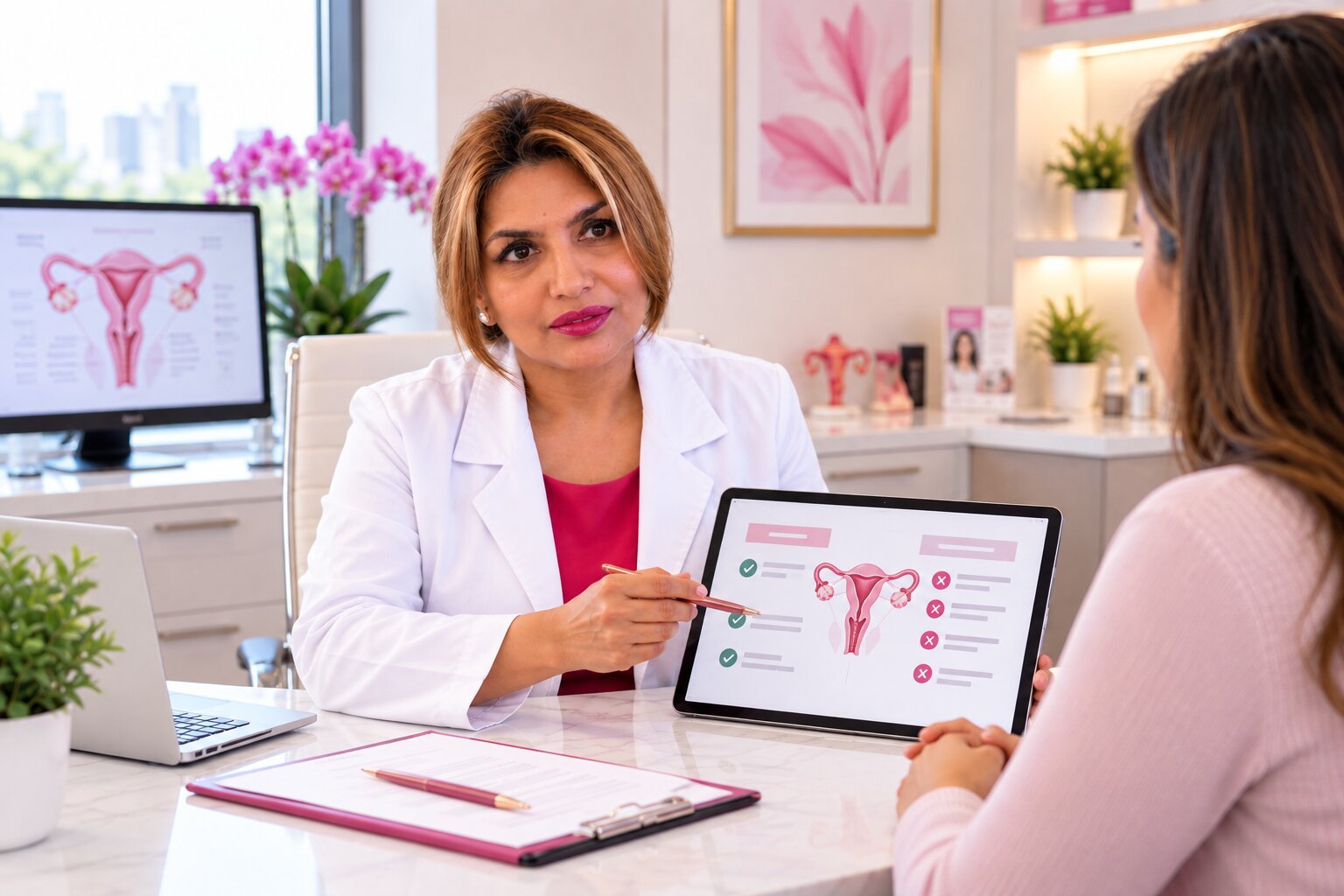
Candidacy at a Glance
You may be a good candidate if you have clearly identified intimate symptoms (such as reduced sensation, dryness, mild stress urinary leakage, or arousal changes), are medically suitable for an injection procedure, understand the evolving nature of PRP research, and maintain realistic expectations. Women with active infections, unexplained bleeding, pregnancy, or severe blood disorders should postpone treatment or seek alternative diagnostic care.
A consultation with a qualified physician can help you understand whether PRP is a reasonable option, whether an established medical treatment may be more effective, or whether your symptoms require further investigation first. At O-Shot Miami, a physician-led assessment provides an opportunity to discuss your concerns, review your health history, and explore appropriate, individualized care.
Understanding the O-Shot and Who It May Help
The O-Shot is an elective procedure that uses platelet-rich plasma derived from a patient's own blood. PRP contains concentrated platelets and associated biological signaling proteins that researchers study for their natural role in tissue repair and microvascular support. During the procedure, a clinician draws a routine blood sample, processes it in a specialized centrifuge to concentrate the platelets, and injects the prepared PRP into selected vulvovaginal areas following topical local numbing.
One important distinction is that using a patient's own blood does not automatically make a treatment universally effective or completely risk-free. The preparation method, platelet concentration, injection precision, patient health, and the underlying condition being treated all influence outcomes. For this reason, a responsible candidacy assessment evaluates the specific concern rather than assuming PRP has identical effects across every type of symptom.
Women considering the procedure should understand that the O-Shot is not a universal solution for every aspect of intimate health. Some concerns have established treatments with stronger clinical evidence, while others require thorough gynecologic evaluation before any elective intervention is considered. A clinician should explain what is known, what remains uncertain, and what alternatives are available.
How Platelet-Rich Plasma Treatment Works
Platelets play an active role in the body’s natural response to tissue injury. PRP preparation isolates and concentrates platelets, which release growth factors and cytokines involved in cellular signaling. Researchers are examining whether these biological factors support local tissue vascularity, collagen production, and nerve sensitivity in intimate tissues.
However, a plausible biological mechanism does not establish that a particular injection protocol will reliably resolve sensitivity issues, orgasmic difficulty, vaginal dryness, or urinary leakage in every patient. The O-Shot should therefore be discussed as an emerging elective treatment rather than a guaranteed cure.
Why an Accurate Diagnosis Matters
Similar intimate symptoms can arise from very different underlying medical causes. Accurate diagnosis is essential prior to undergoing any procedural care:
-
Vaginal Dryness: May stem from genitourinary syndrome of menopause (GSM), hormonal fluctuations, breastfeeding, autoimmune conditions (like Sjögren's), or local allergic contact dermatitis.
-
Pain During Intercourse: Can involve infection, vulvar dermatoses (such as lichen sclerosus), scar tissue, pelvic floor muscle hypertonicity, or endometriosis.
-
Difficulty Reaching Orgasm: May be associated with medications (such as SSRI antidepressants), neurological conditions, vascular changes, relationship dynamics, or psychological stress.
-
Urinary Leakage: Stress urinary incontinence (SUI) requires different management than urgency incontinence (overactive bladder), urinary infections, or structural pelvic organ prolapse.
Treating the wrong underlying problem with an elective injection can delay appropriate, evidence-based care. The right treatment begins with understanding the root cause not simply selecting a procedure based on promotional claims.
Who May Be a Good Candidate for the O-Shot?
There is no single age or medical characteristic that automatically makes someone an ideal candidate. Candidacy depends on whether the procedure aligns with your specific concern, whether other conditions have been ruled out, and whether you understand the realistic expectations of PRP therapy. Below are common clinical profiles of women who explore the O-Shot:
1. Women Experiencing Changes in Genital Sensitivity
Some women notice that genital sensations feel muted compared to previous years. Touch may seem less noticeable, arousal may take significantly longer, or intimacy may feel less satisfying. These changes frequently occur during perimenopause, menopause, following childbirth, after pelvic surgery, or alongside certain metabolic conditions.
If you are considering the O-Shot for reduced sensitivity, a medical assessment can help identify contributing factors such as hormone levels, medication side effects, or pelvic floor dynamics. PRP may be discussed as an elective option to support local tissue vitality, though individual responses vary.
2. Women Experiencing Difficulty Reaching Orgasm
Experiencing changes in orgasmic ability or difficulty reaching orgasm (anorgasmia) can be frustrating. Because orgasmic response involves a complex interplay of blood flow, neural innervation, hormonal balance, medications, and emotional well-being, a thorough physician evaluation is essential.
The O-Shot is sometimes sought for orgasm-related concerns, but it should never be presented as a guaranteed orgasm treatment. Patients may benefit from addressing underlying pain, reviewing medications with prescribing doctors, exploring pelvic floor physical therapy, or receiving targeted hormone optimization.
3. Women with Vaginal Dryness or Menopause-Related Discomfort
Vaginal dryness, burning, and discomfort during intimacy frequently arise during perimenopause and menopause due to declining estrogen levels (GSM). Established first-line therapies include vaginal moisturizers, lubricants, low-dose local vaginal estrogen, vaginal prasterone (DHEA), or oral ospemifene.
For women seeking a non-hormonal, procedural option such as those with a personal history of hormone-sensitive cancers who must exercise caution with systemic or local hormones the O-Shot may be considered as an adjunctive therapy following oncology/gynecology clearance.
4. Women with Mild Stress Urinary Leakage
Stress urinary incontinence involves involuntary urine loss during physical activities that increase abdominal pressure (such as laughing, coughing, sneezing, running, or lifting). While pelvic floor physical therapy remains the gold-standard initial conservative treatment, PRP injections along the anterior vaginal wall are being investigated as a supportive option for mild leakage.
5. Women Seeking a Non-Surgical, Non-Hormonal Option
Many women prefer treatments that utilize their own biological material without requiring synthetic implants, major surgery, or pharmaceutical hormone replacement. Because autologous PRP is prepared from the patient’s own blood, the risk of allergic reaction to the injected substance is low.
6. Women Who Have Fully Recovered After Childbirth
Childbirth can result in changes to pelvic floor muscle tone, vaginal laxity, and perineal scar discomfort. Women who have completed postpartum recovery, finished nursing, and undergone appropriate pelvic floor assessment may consider PRP to support intimate tissue comfort.
| Patient Concern | Established First-Line Care | Role of O-Shot & Suitability |
|---|---|---|
| Mild Stress Urinary Leakage | Pelvic floor muscle training, continence devices | Good Candidate Investigational supportive therapy for mild SUI |
| Menopausal Vaginal Dryness | Vaginal moisturizers, local vaginal estrogen / DHEA | Good Candidate Non-hormonal adjunctive option for tissue comfort |
| Decreased Intimate Sensitivity | Medication review, lifestyle & vascular support | Good Candidate Elective procedure to support tissue microenvironment |
| Urge Incontinence / Overactive Bladder | Bladder retraining, anticholinergic / beta-3 medications | Not Indicated Requires targeted urological bladder management |
| Severe Pelvic Organ Prolapse | Pessaries, urogynecologic corrective surgery | Not Indicated PRP does not correct anatomical prolapse |
| Active Vaginal or Bladder Infection | Antimicrobial or antifungal treatments | Temporary Hold Delay treatment until infection is completely resolved |
Who Is Not a Good Candidate for the O-Shot?
Patient safety is the highest priority. In certain situations, the O-Shot is contraindicated, should be postponed, or replaced with specific diagnostic testing or specialized medical care:
Pregnancy and Incomplete Postpartum Healing
Elective vulvovaginal PRP injections are deferred during pregnancy because safety and efficacy have not been established in this population. Women who have recently given birth should wait until tissues have completely healed and any postpartum tears or complications have been fully evaluated.
Active Infection
An active vaginal, urinary, skin, or systemic infection is an absolute reason to delay treatment. Symptoms such as unusual discharge, foul odor, burning during urination, active herpes sores, or fever require diagnostic testing and treatment before reconsidering candidacy.
Unexplained Bleeding, Pelvic Pain, or Vulvar Lesions
Unexplained vaginal bleeding (particularly postmenopausal bleeding), persistent pelvic pain, bleeding after intercourse, or new vulvar ulcers/lumps require immediate gynecologic evaluation and biopsy if clinically indicated. Elective PRP must never delay the investigation of potential malignancies or serious gynecologic pathology.
Blood Disorders and Medication Risks
Because PRP relies on platelet concentration and function, significant thrombocytopenia (low platelet count), platelet dysfunction disorders, severe anemia, or hematologic malignancies affect candidacy. Furthermore, patients on therapeutic anticoagulants (blood thinners) must receive individualized medical clearance, as stopping blood thinners without supervision carries significant risks.
Active Cancer Treatment
Patients currently undergoing active cancer therapy or those with unresolved suspicious pelvic findings require individualized guidance in coordination with their oncology and gynecology teams.
Untreated Vulvar or Gynecologic Disorders
Conditions such as active lichen sclerosus, vulvodynia, severe pelvic floor spasms, or advanced pelvic organ prolapse require condition-specific medical management rather than non-specific elective injections.
Expectations of Guaranteed or Permanent Results
Patients expecting guaranteed orgasmic ability, permanent reversal of aging, or 100% resolution of urinary leakage are not good candidates. Clinical evidence does not support guaranteed outcomes.
What to Expect During an O-Shot Consultation in Miami
At O-Shot Miami, your consultation is led by Dr. Nina Gupta, MD, ABAARM, FAARM, a physician with over 37 years of clinical medical experience specializing in women’s sexual wellness, menopause management, and regenerative therapies. The consultation is designed to provide private, comprehensive evaluation in a supportive environment.
1. Medical History and Symptom Review
Dr. Gupta reviews when your symptoms began, their progression, and how they impact your daily life. You will discuss hormonal status, reproductive history, prior pelvic procedures, current medications (including antidepressants and blood thinners), and any previous treatments you have explored.
2. Physical Examination and Diagnostic Screening
When clinically appropriate, a gentle visual and pelvic exam is performed to ensure tissue health, rule out active infections or skin disorders, and determine anatomical suitability for injection.
3. Questions to Ask During Your Visit
- Which specific symptom is the O-Shot intended to address in my case?
- What clinical evidence exists for my particular concern?
- What established alternatives (hormonal, physical therapy, medications) should I consider?
- What is included in the treatment price, and what are the potential risks?
What Does Research Say About the O-Shot?
Clinical research into platelet-rich plasma for female intimate health and sexual wellness is growing, but it is important to distinguish promising preliminary findings from definitive, large-scale proof:
Key Clinical Research Findings
-
2026 Randomized Controlled Trial (Clarke et al., Obstetrics & Gynecology): A pilot RCT evaluated 52 premenopausal women receiving either autologous PRP or saline injections into the anterior vaginal wall, followed for six months. The PRP group demonstrated improvements in overall female sexual function index scores compared to control, supporting the value of continued investigation.
-
2026 Systematic Review (The Journal of Sexual Medicine): A systematic review of 18 vulvovaginal PRP studies (encompassing 480 patients) noted encouraging signals for sexual wellness and tissue comfort, while emphasizing that protocol variations and limited sample sizes warrant larger, standardized clinical trials.
Is the O-Shot FDA-Approved?
The O-Shot procedure itself is not FDA-approved to treat female sexual dysfunction, GSM, orgasm difficulty, or urinary incontinence. Centrifuge preparation systems used to separate PRP from whole blood are FDA-cleared medical devices, but the administration of PRP into intimate tissues is an elective, off-label clinical application. Clear understanding of regulatory status is an important element of informed consent.
Risks, Recovery, and Treatment Costs
Understanding what the procedure entails, potential side effects, and transparent pricing ensures you make an informed decision without surprises.
Possible Risks and Side Effects
Because PRP is autologous (derived from your own blood), the risk of allergic reaction is minimal. However, local injection risks include:
- Mild, temporary injection discomfort, pinching, or stinging
- Localized swelling, tenderness, or temporary pressure
- Light spotting or localized bruising
- Small risk of infection, common to any skin or mucosal puncture
Recovery Timeline
The appointment typically takes less than 60 minutes. There is no significant downtime, and most women return to routine daily activities immediately. Dr. Gupta provides tailored aftercare guidelines regarding temporary avoidance of vigorous exercise and sexual activity for the first few days.
How Much Does the O-Shot Cost in Miami?
At O-Shot Miami, pricing is completely transparent. For full pricing details, see our complete O-Shot cost guide.
| Cost Item | Details |
|---|---|
| O-Shot Procedure | $1,500 |
| Labia Wing Lift | Included when clinically appropriate |
| Complementary Care (Hormone Optimization / Pellets) | Priced and evaluated separately based on lab work |
| Insurance Coverage | Elective procedure; not billed to insurance (Cash / Credit Card) |
Why Choose a Physician-Led O-Shot Consultation in Miami?
When exploring an elective intimate procedure, the clinical expertise of your physician matters immensely. Dr. Nina Gupta, MD, has trained directly in the O-Shot technique with Dr. Charles Runels (the developer of the procedure) and integrates over 37 years of clinical medical experience into each patient evaluation.
A physician-led consultation ensures you receive an evidence-balanced discussion, appropriate diagnostic screening, sterile medical technique, and individualized treatment planning without pressure.
Frequently Asked Questions About O-Shot Candidacy
1. Is there an age limit for the O-Shot?
There is no strict upper or lower age limit. Candidacy depends on tissue health, symptoms, medical history, medication use, and personal goals rather than age alone.
2. Can the O-Shot treat vaginal dryness after menopause?
PRP is studied for menopause-related tissue changes, but established therapies (such as vaginal moisturizers, local estrogen, and DHEA) have broader evidence. The O-Shot is often explored as an adjunctive or non-hormonal procedural option.
3. Is the O-Shot effective for difficulty reaching orgasm?
Some women report positive changes in arousal and sensitivity, but the procedure is not a guaranteed orgasm cure. Comprehensive evaluation of medication, neural, vascular, and psychological factors is essential.
4. Can the O-Shot replace pelvic-floor physical therapy?
No. Pelvic-floor physical therapy is the established standard for muscular dysfunction and urinary incontinence. The O-Shot does not replace muscle retraining.
5. Can I receive the O-Shot while taking a blood thinner?
Patients taking anticoagulant or antiplatelet medications require individualized assessment. You should never stop prescribed blood thinners without direct physician supervision.
6. Is the O-Shot FDA-approved?
The O-Shot injection procedure is not FDA-approved for female sexual dysfunction or incontinence. While FDA-cleared centrifuge devices prepare the PRP, the clinical injection is an elective, off-label medical application.
7. How long do O-Shot results last?
Individual responses vary. Some women report benefits lasting several months or longer, while others notice minimal change. Follow-up care is tailored to each patient.
Conclusion: Is the O-Shot Right for You?
Deciding whether you are a good candidate for the O-Shot begins with understanding your symptoms, identifying potential causes, and evaluating the full range of available treatments. Women experiencing reduced sensitivity, orgasmic difficulty, menopausal dryness, or mild stress leakage may benefit from discussing PRP with a qualified physician.
Women with active infections, unexplained bleeding, pregnancy, blood disorders, or unrealistic expectations should postpone treatment or seek targeted diagnostic evaluation. At O-Shot Miami, Dr. Nina Gupta provides comprehensive consultations to help you determine the safest and most effective approach for your health.
Ready to Explore Your Options?
Schedule a confidential consultation with Dr. Nina Gupta to discuss your intimate wellness goals and candidacy.
Book Your ConsultationMedical Disclaimer: This article is for educational purposes only and does not substitute for personalized medical advice, diagnosis, or treatment. Seek immediate medical evaluation for unexplained vaginal bleeding, persistent pelvic pain, fever, or acute urinary symptoms.
Medical References
- Clarke B, et al. Vaginal Injection of Platelet-Rich Plasma for Sexual Function: A Randomized Controlled Trial. Obstetrics & Gynecology, 2026. PubMed: 41855531
- Platelet-rich plasma in the management of vulvovaginal disorders: a systematic review. The Journal of Sexual Medicine, 2026. PubMed: 41168677
- Efficacy and Safety of Platelet-Rich Plasma Injections for the Treatment of Female Sexual Dysfunction and Stress Urinary Incontinence: A Systematic Review. 2023. PubMed: 38001920
- American College of Obstetricians and Gynecologists (ACOG). Your Sexual Health.
- The Menopause Society. Genitourinary Syndrome of Menopause (GSM).
- The Menopause Society. Menopause and Sexual Function.