
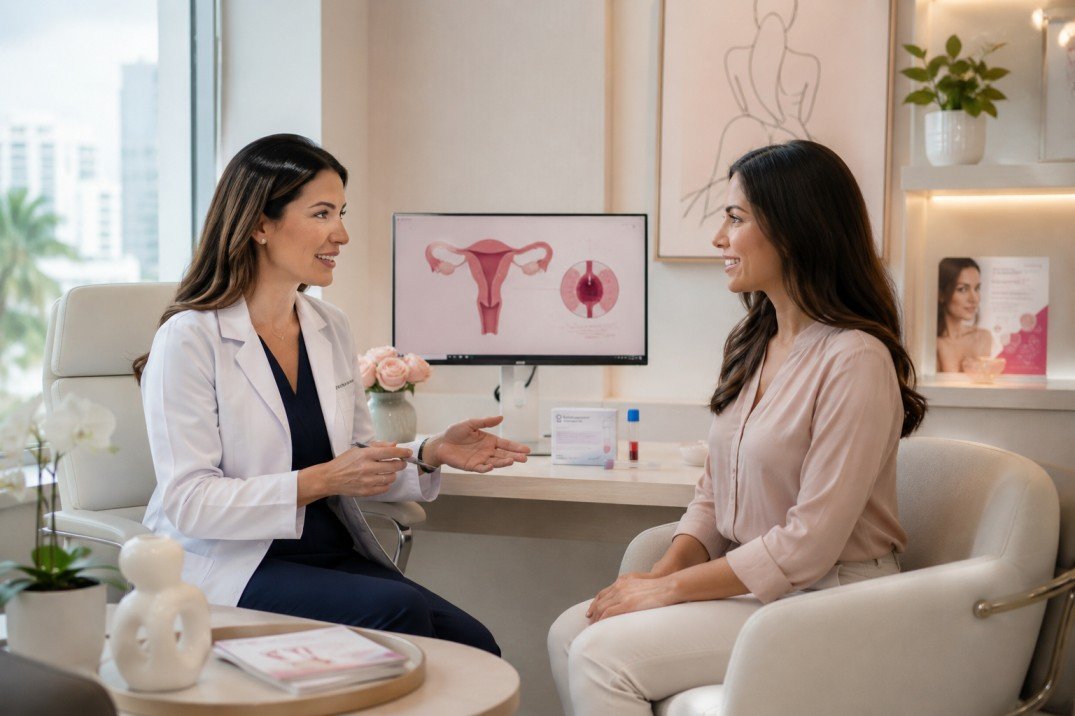
Understanding the Growing Interest in Female Sexual Wellness
Female sexual wellness has become one of the most discussed topics in modern healthcare, and for good reason. For decades, conversations about women's sexual satisfaction were often overlooked, despite research showing that sexual health plays a significant role in overall well-being, confidence, relationships, and quality of life. Today, more women are actively seeking solutions that address concerns such as reduced sensation, difficulty achieving orgasm, vaginal dryness, and changes related to aging, childbirth, or menopause. Among the options receiving considerable attention is the O-Shot, a procedure that claims to enhance sexual function and improve orgasmic response.
The increased popularity of treatments like the O-Shot reflects a broader shift toward personalized wellness. Women are no longer accepting discomfort or dissatisfaction as an inevitable consequence of age or life changes. Instead, they are exploring evidence-based and regenerative approaches that may help restore sexual function without major surgery. Social media, online communities, and greater openness among healthcare providers have also contributed to increased awareness about available treatment options.
At the same time, curiosity often comes with skepticism. Many women wonder whether the O-Shot is genuinely effective or simply another wellness trend with exaggerated marketing claims. Questions about safety, scientific evidence, expected outcomes, and realistic benefits are common. Understanding these factors is essential before making any treatment decision.
The reality is that female sexual function is complex. It involves blood flow, nerve sensitivity, hormonal balance, emotional well-being, relationship dynamics, and overall health. Because of this complexity, no single treatment can guarantee dramatic results for every individual. The O-Shot has attracted interest because it targets tissue regeneration and blood supply, two factors that may influence sexual sensation and orgasm. Whether it truly improves female orgasm requires a closer examination of how the treatment works, what research shows, and what real patients report after undergoing the procedure.
Why More Women Are Seeking Non-Surgical Solutions
The appeal of non-surgical treatments is easy to understand. Traditional surgical procedures often involve longer recovery periods, higher costs, and greater risks. Many women prefer options that can be completed quickly and allow them to return to normal activities almost immediately. The O-Shot fits into this category because it uses the patient's own blood-derived growth factors rather than synthetic materials or invasive surgery.
Another driving factor is the growing awareness that sexual changes are common. Hormonal fluctuations, childbirth, stress, aging, and certain medical conditions can all affect sexual satisfaction. Women who once enjoyed strong orgasms may notice reduced intensity over time, while others may struggle with orgasm altogether. Seeking solutions is increasingly viewed as a legitimate aspect of healthcare rather than a luxury or taboo subject.
The desire for improved intimacy also motivates many women. Sexual satisfaction often contributes to relationship quality and self-esteem. When challenges arise, finding treatments that address physical factors can be an important step toward restoring confidence. While emotional and psychological support remains valuable, many women appreciate therapies that directly target physiological concerns.
Non-surgical regenerative medicine has expanded significantly in recent years, creating opportunities for treatments that focus on healing and tissue enhancement rather than structural alteration. The O-Shot emerged from this trend and has gained popularity because it promises a relatively simple procedure with potentially meaningful benefits. Understanding exactly what it involves is the next step in evaluating whether these claims hold up under scrutiny.
What Is the O-Shot?
The O-Shot, short for Orgasm Shot, is a medical procedure that uses platelet-rich plasma (PRP) derived from a patient's own blood. The treatment was developed with the goal of enhancing female sexual function by stimulating tissue regeneration, increasing blood flow, and potentially improving nerve responsiveness in specific vaginal and clitoral areas. Unlike medications that alter hormones or affect brain chemistry, the O-Shot focuses on local tissue health.
The process begins with a simple blood draw. The collected blood is then placed in a centrifuge, which separates platelets and growth factors from other blood components. This concentrated PRP is subsequently injected into targeted areas associated with sexual sensation and function. Because the material comes from the patient's own body, the risk of allergic reactions is generally very low.
Supporters of the procedure suggest that growth factors released by platelets may encourage new blood vessel formation, tissue repair, and increased sensitivity. Improved circulation can theoretically enhance arousal and sexual responsiveness, which are important components of orgasm. Some practitioners also report benefits related to lubrication and mild urinary incontinence.
Despite growing popularity, the O-Shot remains an area where scientific evidence continues to evolve. Many studies involve relatively small sample sizes, and experts emphasize the need for larger, high-quality clinical trials. That does not necessarily mean the treatment is ineffective; rather, it highlights the importance of understanding the difference between promising early findings and definitive scientific proof.
For women considering the procedure, realistic expectations are crucial. The O-Shot is not designed to transform every aspect of sexual function overnight. Results can vary significantly based on individual health factors, underlying conditions, age, hormonal status, and emotional well-being. Some women report substantial improvements, while others notice more modest changes. For a detailed look at what to realistically expect, read our guide on O-Shot before and after results.
The Science Behind Platelet-Rich Plasma (PRP)
Platelet-rich plasma has been used in multiple medical fields, including sports medicine, orthopedics, dermatology, and wound healing. Platelets contain growth factors that help coordinate tissue repair and regeneration. Researchers have explored PRP's ability to stimulate cellular activity, improve circulation, and encourage healing in damaged or aging tissues.
When applied to female sexual wellness, the theory is relatively straightforward. Enhanced blood flow and healthier tissue may improve sensitivity and responsiveness in areas involved in sexual pleasure. Blood flow plays a critical role in sexual arousal, much like it does in male erectile function. Increased circulation can contribute to swelling, lubrication, and heightened sensation during sexual activity.
The biological rationale behind PRP is one reason the O-Shot continues to attract attention. Instead of introducing foreign substances, it attempts to leverage the body's natural repair mechanisms. This regenerative approach aligns with broader trends in aesthetic and functional medicine, where treatments increasingly focus on stimulating natural healing processes.
How the O-Shot Procedure Is Performed
The O-Shot procedure is typically completed in less than an hour and is often performed in an outpatient medical setting. After a small amount of blood is drawn, the sample is processed in a centrifuge to isolate platelet-rich plasma. While the PRP is being prepared, a topical anesthetic or local numbing medication is usually applied to the treatment area to minimize discomfort. Most patients describe the procedure as tolerable, with sensations ranging from mild pressure to brief stinging. For more details about the comfort level, read Is the O-Shot Painful?
Once the PRP is ready, it is injected into carefully selected areas around the clitoris and upper vaginal region. These locations are chosen because of their involvement in sexual sensation, arousal, and orgasmic response. Following the injections, patients can generally return to normal activities on the same day. Unlike surgical interventions, there are no incisions, stitches, or extended recovery periods.
One of the reasons the O-Shot has gained popularity is its convenience. Many women are attracted to the idea of a procedure that does not require hospitalization or significant downtime. Some practitioners recommend avoiding sexual activity for a short period after treatment, while others allow patients to resume normal intimacy relatively quickly. Recommendations vary depending on the provider and the individual's circumstances.
Results are not usually immediate. Since PRP works by stimulating tissue regeneration and vascular changes, improvements often develop gradually over several weeks. Some women report noticeable changes within a few weeks, while others observe benefits after several months. The timeline can vary because every individual's healing and regenerative response is different. Learn more about the full timeline in our article on how long the O-Shot typically lasts.
How Female Orgasm Works
Understanding whether the O-Shot can improve orgasm requires a basic understanding of how female orgasm occurs. Female sexual response is remarkably complex, involving physical, neurological, hormonal, emotional, and psychological factors. Unlike simplistic portrayals often seen in media, orgasm is not controlled by a single body part or biological mechanism. Instead, it emerges from the coordinated interaction of multiple systems throughout the body and brain.
During sexual arousal, blood flow increases to the genital tissues, causing swelling and heightened sensitivity. Nerve endings in the clitoris, vagina, and surrounding structures transmit signals to the brain, where sensations are processed and interpreted as pleasure. Hormones and neurotransmitters such as dopamine, oxytocin, and serotonin also influence sexual desire, arousal, and orgasmic capacity.
The clitoris deserves particular attention because it contains thousands of nerve endings and plays a central role in sexual pleasure for many women. Modern anatomical research has revealed that the clitoris extends far beyond its visible external portion, forming an intricate internal structure that interacts with surrounding tissues during arousal. Any treatment that potentially improves blood flow or nerve responsiveness in this area naturally attracts interest from researchers and patients alike.
Physical Factors That Influence Orgasm
A variety of physical factors contribute to orgasmic function. Blood circulation is among the most important. Healthy blood flow delivers oxygen and nutrients to tissues while supporting the swelling and sensitivity associated with arousal. Conditions that impair circulation may reduce sexual responsiveness and sensation.
Nerve function is equally critical. Sexual pleasure depends on effective communication between genital tissues and the brain. Injury, aging, diabetes, childbirth-related changes, and certain medical conditions can affect nerve sensitivity. Reduced nerve responsiveness may contribute to difficulty achieving orgasm or decreased sexual pleasure.
Hormonal changes also play a major role. Estrogen supports vaginal tissue health, elasticity, lubrication, and blood flow. During menopause, declining estrogen levels can contribute to dryness, discomfort, and changes in sexual sensation. Testosterone, although present in smaller amounts in women than men, can influence libido and sexual interest as well.
Muscle function within the pelvic floor is another important element. These muscles support sexual function, bladder control, and orgasmic contractions. Weakness or dysfunction in the pelvic floor may affect both sexual satisfaction and urinary symptoms. Because the O-Shot focuses primarily on tissue regeneration and blood supply, it addresses only some of the many physical factors involved in orgasm. This is one reason comprehensive evaluation remains important before pursuing treatment.
Emotional and Hormonal Influences
Sexual satisfaction cannot be separated from emotional well-being. Stress alone can dramatically reduce arousal and orgasmic response, even when physical health is excellent. The brain is often described as the body's most important sexual organ because it interprets and responds to sensory signals. If anxiety, distraction, or emotional distress is present, achieving orgasm may become significantly more difficult.
Relationship quality frequently influences sexual outcomes as well. Emotional intimacy, communication, trust, and mutual understanding contribute to a positive sexual experience. Women experiencing relationship difficulties may not achieve desired improvements from physical treatments alone. In such cases, counseling or therapy may be just as important as any medical intervention.
Hormonal fluctuations throughout life also affect sexual function. Pregnancy, postpartum recovery, menopause, thyroid disorders, and certain medications can all alter libido and orgasmic capacity. Some women seeking the O-Shot are actually experiencing symptoms that stem primarily from hormonal changes rather than localized tissue concerns. Addressing the underlying cause is often essential for achieving meaningful improvement. Explore our bioidentical hormone replacement therapy page for more on hormonal support options.
Can the O-Shot Improve Female Orgasm?
The central question remains: can the O-Shot improve female orgasm? The answer is nuanced. Current evidence suggests that some women experience improvements in sexual sensation, arousal, and orgasmic response after treatment. However, results vary significantly, and the scientific community continues to investigate the extent of these benefits through ongoing research.
One reason for the ongoing interest is the biological plausibility behind the treatment. By increasing blood flow and encouraging tissue regeneration, PRP may create conditions that support improved sexual responsiveness. Enhanced circulation and nerve sensitivity could theoretically make orgasm easier to achieve or increase orgasmic intensity. Many women who undergo the procedure report subjective improvements that align with these mechanisms.
Clinical studies conducted so far have produced encouraging but not definitive findings. Several small investigations have reported improvements in female sexual function scores, orgasmic satisfaction, and overall sexual well-being following PRP-based treatments. Some participants also noted reduced discomfort during intercourse and increased lubrication. These outcomes suggest that the treatment may offer meaningful benefits for selected individuals.
For women considering the O-Shot, realistic expectations are essential. The treatment may improve orgasmic function in some cases, particularly when reduced sensation, circulation, or tissue quality contribute to sexual difficulties. It is less likely to resolve issues driven primarily by psychological factors, severe hormonal deficiencies, or relationship concerns. Understanding these distinctions helps create a more balanced and informed view of what the procedure can realistically accomplish.
What Current Research Suggests
Research into the O-Shot remains a developing field. Several published studies and observational reports have identified improvements in domains such as desire, arousal, lubrication, orgasm, satisfaction, and pain reduction. Many participants describe enhanced sensitivity and a greater ability to reach orgasm following treatment.
Researchers believe these outcomes may be linked to improved vascularization and tissue regeneration stimulated by platelet-derived growth factors. Increased blood vessel formation could contribute to enhanced genital responsiveness, while cellular repair mechanisms may support healthier tissue function overall. These biological processes provide a scientific foundation for the positive experiences reported by many patients.
At the same time, experts consistently emphasize the need for more rigorous research. Larger studies with standardized treatment protocols and long-term follow-up are necessary to determine precisely which women benefit most and how durable those benefits may be. Medical organizations often classify PRP-based sexual wellness treatments as promising but still evolving therapies.
Reported Benefits From Patients
Increased Sensitivity
One of the most commonly reported benefits is increased genital sensitivity. Women frequently describe heightened awareness of touch and greater responsiveness during intimate activity. For individuals who have experienced diminished sensation due to aging, childbirth, or hormonal changes, this improvement can be particularly meaningful. Read more about this in our article on whether the O-Shot can improve sensitivity and intimacy.
Enhanced sensitivity may result from increased blood flow, improved tissue health, and changes in local nerve responsiveness. Some patients report noticing subtle changes within a few weeks, while others experience gradual improvements over several months. The degree of change varies considerably from person to person.
Stronger and More Frequent Orgasms
Another frequently cited outcome is stronger orgasmic intensity. Some women report that orgasms feel more powerful, longer-lasting, or easier to achieve after treatment. Others note an increased frequency of orgasm, particularly if they previously struggled with reaching climax consistently.
These reports align with the proposed mechanisms of improved circulation and tissue responsiveness. Better blood flow can enhance arousal, while healthier tissues may respond more effectively to stimulation. For some women, these physiological changes translate into a more satisfying sexual experience overall. It is important to remember that results are highly individualized. While some patients describe dramatic improvements, others notice only modest changes.
Additional Benefits Often Associated With the O-Shot
While the O-Shot is most commonly discussed in relation to orgasm and sexual satisfaction, many women pursue the treatment because of several additional benefits that have been reported in clinical practice. Sexual wellness rarely exists in isolation. Concerns such as vaginal dryness, discomfort during intimacy, reduced lubrication, and mild urinary leakage can all affect confidence and quality of life. Because PRP aims to improve tissue health and circulation, some women notice improvements in these areas alongside changes in sexual function.
Medical providers who offer the treatment frequently emphasize that the O-Shot is not solely about enhancing pleasure. Instead, they present it as part of a broader regenerative approach to female wellness. Improved tissue quality may support comfort, confidence, and function in ways that extend beyond sexual activity. This holistic perspective resonates with many women who are seeking solutions that address multiple concerns simultaneously.
Vaginal Dryness and Lubrication
Vaginal dryness is a common concern, particularly during and after menopause. Reduced estrogen levels can lead to thinner tissues, decreased natural lubrication, irritation, and discomfort during intercourse. These symptoms can significantly affect sexual satisfaction and may discourage intimacy altogether. Many women seek treatment not because of orgasm difficulties alone but because physical discomfort has become a barrier to enjoyable sexual experiences.
Some patients who undergo the O-Shot report improvements in vaginal moisture and lubrication. The proposed explanation centers on enhanced blood flow and tissue regeneration. Healthier tissues may be better able to maintain hydration and respond to sexual stimulation, resulting in improved natural lubrication. That said, severe vaginal dryness caused by significant hormonal deficiency may still require additional treatments such as hormone pellet therapy or other medical interventions.
Mild Urinary Incontinence Support
Another frequently discussed benefit involves mild urinary incontinence. Many women experience occasional leakage when coughing, sneezing, laughing, or exercising. Pregnancy, childbirth, aging, and hormonal changes can all contribute to weakened pelvic support structures and changes in urinary control.
Some practitioners report that O-Shot patients experience reductions in mild stress urinary incontinence symptoms. The theory is that improved tissue integrity and vascular support around the urethral region may enhance function and control. Women with significant urinary incontinence should seek evaluation from a qualified healthcare professional to determine the underlying cause and appropriate treatment options.
Who May Be a Good Candidate for the O-Shot?
Not every woman seeking improved sexual function is an ideal candidate for the O-Shot. Determining suitability requires consideration of medical history, current symptoms, overall health, expectations, and treatment goals. The best candidates are often women who have specific concerns related to sexual sensation, orgasmic response, lubrication, or mild urinary symptoms and who understand that results can vary.
Women who notice changes following childbirth frequently explore regenerative treatments. Childbirth can affect pelvic tissues, blood flow, sensation, and overall sexual function. Similarly, women experiencing age-related changes may view the O-Shot as a way to support tissue health without surgery.
Menopause is another common reason for seeking treatment. Hormonal shifts can contribute to dryness, reduced sensitivity, and discomfort during intimacy. While hormone therapy remains an important option for many women, some are interested in complementary approaches that focus on local tissue regeneration.
Common Reasons Women Consider Treatment
- Difficulty achieving orgasm or reduced orgasmic intensity
- Decreased sensitivity or diminished sexual satisfaction
- Post-childbirth changes affecting intimacy and comfort
- Improved intimacy within a relationship
- Desire to avoid surgery and prefer minimally invasive options
Risks, Side Effects, and Limitations
Every medical procedure carries potential risks, and the O-Shot is no exception. Although it uses the patient's own blood products, reducing the likelihood of allergic reactions, side effects can still occur. Understanding these risks is essential for making informed treatment decisions and maintaining realistic expectations.
The most common side effects are generally mild and temporary. Patients may experience soreness, swelling, bruising, tenderness, or minor bleeding at injection sites. These symptoms usually resolve within a few days. Because PRP is derived from the patient's own blood, serious immune reactions are uncommon.
A more important consideration involves limitations rather than risks. The O-Shot is not guaranteed to improve orgasm, libido, or sexual satisfaction. Female sexual function is influenced by numerous physical and psychological factors, many of which cannot be addressed through localized injections alone. Provider expertise also matters — the procedure should be performed by a qualified healthcare professional with experience in PRP therapies and female sexual health.
What the O-Shot Cannot Guarantee
Marketing materials sometimes create the impression that the O-Shot offers a universal solution for female sexual concerns. In reality, no treatment can guarantee stronger orgasms, increased desire, or improved relationships. Sexual health is far too complex to be reduced to a single procedure.
The O-Shot cannot guarantee that a woman who has never experienced orgasm will suddenly become orgasmic. It cannot ensure improved libido if low desire is primarily related to hormonal deficiencies, medication side effects, emotional distress, or relationship challenges. Another limitation involves durability — some women report benefits lasting a year or longer, while others notice shorter durations of improvement. For more on timing and duration, see our article on how long O-Shot results last.
O-Shot vs Other Female Sexual Wellness Treatments
The O-Shot exists within a growing landscape of female sexual wellness treatments. Women considering the procedure often compare it with hormone therapy, pelvic floor physical therapy, counseling, vaginal laser treatments, and other regenerative approaches. Each option addresses different aspects of sexual function and may be appropriate under different circumstances.
| Treatment | Primary Focus | Invasiveness | Best For |
|---|---|---|---|
| O-Shot (PRP) | Tissue regeneration and sensitivity | Minimally invasive | Reduced sensation, orgasm concerns |
| Hormone Therapy | Hormonal balance | Non-surgical | Menopause-related symptoms |
| Pelvic Floor Therapy | Muscle function | Non-invasive | Pelvic weakness and dysfunction |
| Sex Therapy/Counseling | Psychological factors | Non-invasive | Emotional and relationship concerns |
| Vaginal Rejuvenation | Tissue remodeling | Minimally invasive | Dryness and tissue changes |
Comparing Available Options
Comparing treatments highlights an important truth: sexual wellness is rarely solved through a one-size-fits-all approach. Many women benefit from combining therapies. For example, hormone therapy may improve tissue health while counseling addresses emotional barriers and pelvic floor therapy enhances muscular function.
The O-Shot's main advantage lies in its regenerative focus and minimal downtime. Unlike medications that affect the entire body, PRP targets localized tissue changes. This appeals to women seeking a natural approach that leverages the body's own healing mechanisms. However, treatments with longer research histories may provide stronger evidence for specific conditions. The O-Shot may complement these options rather than replace them.
What to Expect Before and After Treatment
Preparation for the O-Shot generally begins with a consultation. During this appointment, a healthcare provider reviews medical history, discusses symptoms, and evaluates whether the treatment is appropriate. This conversation is critical because identifying the underlying causes of sexual concerns helps determine whether PRP therapy is likely to be beneficial.
After treatment, most women can resume daily activities immediately. Mild discomfort, swelling, or tenderness may occur but usually resolves quickly. Providers often recommend monitoring changes over the following weeks and months rather than expecting immediate results. Because tissue regeneration takes time, improvements often develop gradually.
Some women notice increased sensitivity relatively early, while others experience progressive changes over several months. Follow-up appointments may be scheduled to assess outcomes and discuss whether additional treatment sessions are warranted. Maintaining open communication with the provider helps ensure realistic expectations and appropriate management of any concerns that arise.
The post-treatment experience varies considerably. Some women report substantial improvements in orgasmic intensity, lubrication, and confidence. Others notice more modest changes. This variability reflects the complex nature of female sexual function and underscores the importance of individualized care. For a detailed timeline, visit our O-Shot before and after guide.
Conclusion
The O-Shot has emerged as one of the most talked-about treatments in female sexual wellness because it offers a regenerative, minimally invasive approach to concerns involving orgasm, sensitivity, lubrication, and mild urinary symptoms. By using platelet-rich plasma derived from a patient's own blood, the procedure aims to stimulate tissue repair, improve circulation, and enhance responsiveness in areas associated with sexual pleasure.
Current evidence suggests that some women experience meaningful improvements in orgasmic function, sensitivity, and overall sexual satisfaction. Many patients report stronger orgasms, enhanced arousal, and greater comfort during intimacy. At the same time, scientific research remains ongoing, and larger studies are needed to fully establish effectiveness and identify which patients are most likely to benefit.
Women interested in the procedure should consult a qualified healthcare provider, discuss their goals openly, and evaluate all available treatment options. In many cases, a personalized approach that addresses multiple aspects of sexual wellness offers the greatest potential for meaningful and lasting improvement. To learn more about how the O-Shot procedure works or to explore pricing, read our complete cost guide.
Frequently Asked Questions
1. How long does it take to see results from the O-Shot?
Most women who experience benefits notice changes within a few weeks to three months after treatment. Results develop gradually as tissue regeneration occurs.
2. Is the O-Shot FDA-approved for improving orgasm?
PRP itself is widely used in medicine, but the O-Shot as a specific treatment for orgasm enhancement has not received FDA approval for that indication.
3. How long do O-Shot results typically last?
Reported results vary. Some women experience benefits for six months to over a year, while others may require maintenance treatments sooner.
4. Does the O-Shot increase libido?
Some women report increased desire, but the treatment is primarily intended to improve tissue function and sensitivity. Libido is influenced by many factors beyond local tissue health.
5. Is the O-Shot painful?
Most patients describe the procedure as mildly uncomfortable rather than painful. Numbing medication is typically used to reduce discomfort during injections. Read our full guide on O-Shot pain levels.