
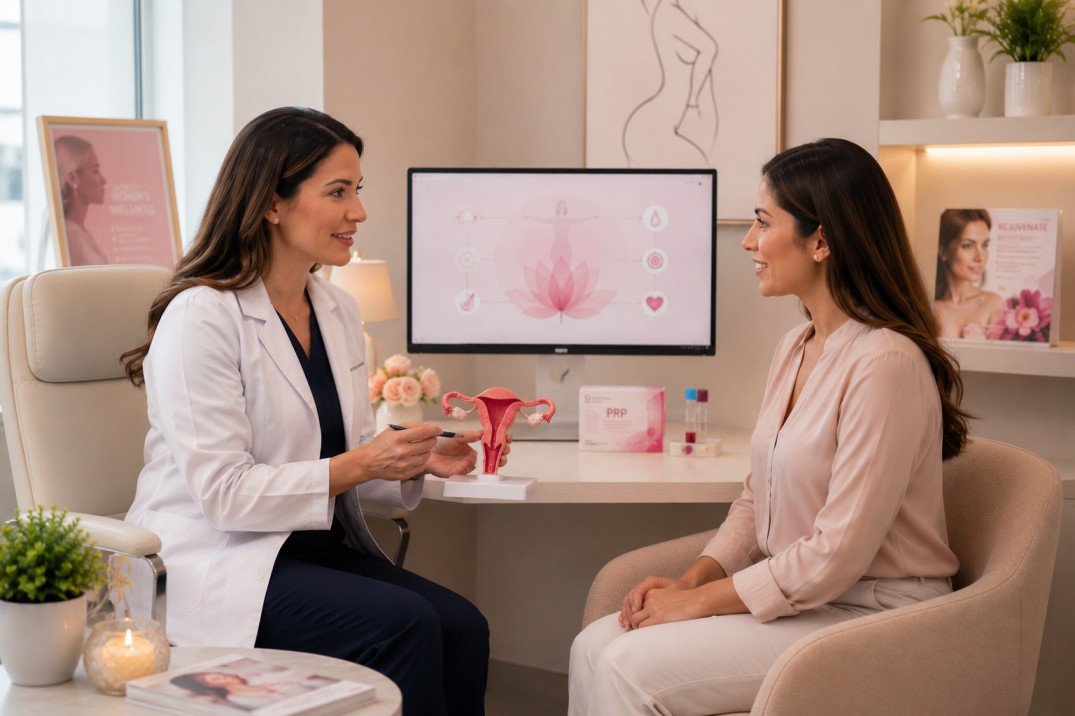
Low libido is one of the most common yet least discussed concerns affecting women of all ages. While occasional fluctuations in sexual desire are completely normal, a persistent lack of interest in intimacy can create frustration, strain relationships, and impact emotional well-being. Many women search for solutions ranging from lifestyle changes and hormone therapy to counseling and nutritional support. In recent years, one treatment that has attracted significant attention is the O-Shot, also known as the Orgasm Shot.
The O-Shot is a non-surgical procedure that uses platelet-rich plasma (PRP) derived from the patient's own blood. Advocates of the treatment suggest that it may improve sexual function, increase sensitivity, support vaginal rejuvenation, and potentially help women experience greater sexual satisfaction. Naturally, many women ask an important question: Can the O-Shot actually improve sexual desire and help with low libido?
The answer is nuanced. Sexual desire is influenced by a complex combination of physical, emotional, hormonal, and psychological factors. While no treatment can guarantee a dramatic increase in libido for every woman, the O-Shot may address some of the physical barriers that contribute to reduced sexual interest. By enhancing blood flow, tissue health, and sensation, it may help create conditions that support a healthier sexual response.
This comprehensive guide explores the relationship between the O-Shot and low libido, the science behind the treatment, potential benefits, candidacy considerations, and how to choose a qualified provider.
Understanding Low Libido in Women
Low libido is far more common than many people realize. Studies suggest that a significant percentage of women experience periods of reduced sexual desire during their lives. For some, the issue is temporary and related to stress or life circumstances. For others, it becomes a long-term challenge that affects confidence, relationships, and quality of life.
Sexual desire is not controlled by a single factor. Instead, it is influenced by hormones, blood circulation, nerve function, emotional intimacy, mental health, energy levels, and overall physical wellness. When one or more of these elements are disrupted, libido may decline. This complexity explains why treating low libido often requires a personalized approach rather than a one-size-fits-all solution.
Many women hesitate to seek help because they assume reduced desire is simply part of aging. While hormonal changes associated with menopause can contribute to libido issues, sexual wellness remains an important aspect of health at every stage of life. Modern regenerative treatments such as the O-Shot are increasingly being explored as part of a broader strategy to support female sexual health.
Common Causes of Reduced Sexual Desire
The causes of low libido vary widely from one individual to another. Hormonal changes are among the most recognized contributors. Declining estrogen levels during perimenopause and menopause can lead to vaginal dryness, discomfort during intercourse, and decreased sexual responsiveness.
Psychological factors also play a major role. Anxiety, depression, chronic stress, relationship difficulties, and body image concerns can all diminish sexual interest. Even when physical health is excellent, emotional challenges can significantly affect libido.
Medical conditions may contribute as well. Diabetes, thyroid disorders, cardiovascular disease, chronic pain conditions, and certain medications are known to influence sexual function. Antidepressants, blood pressure medications, and hormonal treatments may sometimes reduce desire as a side effect.
Because low libido often results from multiple overlapping factors, a comprehensive evaluation is essential before deciding on any treatment plan.
How Low Libido Affects Overall Well-Being
Sexual health extends beyond physical intimacy. It often influences self-esteem, emotional connection, and overall quality of life. When libido declines, women may feel disconnected from their partners or frustrated by changes in their bodies.
Many women describe a cycle in which reduced desire leads to less intimacy, which then increases emotional distance and creates additional stress. This cycle can make the original problem even more challenging to address.
The impact can extend into daily life. Feelings of dissatisfaction may affect mood, confidence, and relationship satisfaction. Addressing sexual health concerns is therefore not simply about improving intimacy — it is also about supporting broader emotional and physical wellness.
What Is the O-Shot?
The O-Shot, short for Orgasm Shot, is a regenerative medical treatment designed to enhance female sexual wellness using the body's own healing mechanisms. The procedure involves drawing a small sample of blood, processing it to concentrate platelets, and injecting the resulting PRP into specific areas of vaginal tissue.
Unlike surgical procedures, the O-Shot is minimally invasive and typically completed in less than an hour. Because the treatment uses the patient's own blood components, concerns related to allergic reactions are generally minimized.
Interest in the O-Shot has grown rapidly because it offers a non-hormonal approach to addressing certain aspects of female sexual dysfunction. While individual experiences vary, many women seek treatment to improve sensitivity, support orgasmic function, enhance lubrication, and address symptoms associated with aging or childbirth.
The Science Behind Platelet-Rich Plasma (PRP)
PRP therapy has been used in various areas of medicine for years. Orthopedic specialists, sports medicine physicians, dermatologists, and regenerative medicine practitioners have all explored its potential applications.
Platelets contain growth factors that play a role in tissue repair and regeneration. When concentrated and delivered to targeted areas, these growth factors may stimulate cellular activity, improve blood supply, and support tissue health.
The theory behind the O-Shot is that enhanced blood flow and tissue regeneration in intimate areas may contribute to improved sensation and sexual function. While research continues to evolve, the biological mechanisms involved have generated considerable interest among healthcare providers specializing in regenerative treatments.
How the O-Shot Procedure Works
The procedure begins with a routine blood draw. The sample is then processed using a centrifuge to separate and concentrate platelet-rich plasma. After a topical anesthetic is applied, the PRP is carefully injected into specific treatment areas. For more details about what the experience feels like, read our guide on whether the O-Shot is painful.
Most patients report minimal discomfort during the process. Since there is no surgery involved, downtime is typically limited. Many women return to normal activities shortly after treatment.
Results can vary depending on individual factors such as age, overall health, hormone levels, and the underlying causes of sexual dysfunction. Some women report noticeable improvements within weeks, while others experience gradual changes over several months. Learn more about the full timeline in our article on how long O-Shot results typically last.
Can the O-Shot Improve Sexual Desire?
The most common question surrounding this treatment is whether it can truly increase sexual desire. The answer requires understanding how libido works. Sexual desire is not generated solely in the reproductive system; it involves the brain, hormones, emotions, circulation, nerve signaling, relationship dynamics, and overall health. Because of this complexity, no single procedure can completely solve every case of low libido.
That said, the O-Shot may positively influence several physical factors that contribute to sexual desire. Many women who struggle with low libido also experience decreased sensitivity, vaginal dryness, discomfort during intercourse, difficulty achieving orgasm, or reduced arousal. When intimacy becomes less pleasurable or more challenging, sexual interest often declines naturally.
By potentially improving tissue health, blood circulation, and nerve responsiveness, the O-Shot may help restore physical sensations that support a healthy sexual response cycle. Increased sensitivity can make intimate experiences more enjoyable, which may encourage greater desire over time. Think of libido as a chain with multiple links. If physical discomfort or diminished sensation is weakening one of those links, addressing it may strengthen the overall chain.
It's also important to understand that the O-Shot is often most effective when incorporated into a comprehensive wellness strategy. Hormonal evaluation, stress management, relationship communication, healthy lifestyle habits, and treatment of underlying medical conditions may all contribute to improved outcomes. Women who approach sexual wellness holistically often report greater satisfaction than those seeking a single quick fix.
The Connection Between Physical Function and Libido
The relationship between physical sexual function and desire is stronger than many people realize. Traditional discussions often separate arousal and libido into different categories, but in reality they frequently influence one another. When a woman experiences reduced sensation or discomfort during intimacy, her anticipation of future experiences may change.
The O-Shot aims to improve the physical environment by encouraging tissue regeneration and enhancing circulation. Better blood flow may contribute to improved responsiveness and natural lubrication. Enhanced sensitivity may also help women experience stronger arousal and more satisfying orgasms. For more on this topic, read our article on whether the O-Shot can improve female orgasm.
For some women, these physical improvements create a positive feedback loop. Increased pleasure may lead to increased confidence, stronger emotional connection with a partner, and greater anticipation of intimacy. Those psychological benefits can be just as important as the physical changes themselves.
What Clinical Evidence Suggests
Research into the O-Shot is still developing, and the scientific community continues to evaluate its effectiveness through ongoing studies. Some preliminary research and patient-reported outcomes suggest improvements in sexual satisfaction, arousal, lubrication, and orgasmic function.
Many providers report high levels of patient satisfaction, particularly among women seeking non-surgical options for sexual wellness concerns. However, experts generally emphasize that more large-scale, randomized clinical trials are needed to fully establish the treatment's effectiveness and long-term outcomes.
According to regenerative medicine specialists, patient selection is critical. Women whose low libido is strongly linked to physical symptoms such as decreased sensation, vaginal dryness, or orgasmic difficulties may be more likely to notice benefits than those whose primary challenges are psychological or relationship-based. This highlights the importance of realistic expectations and a thorough consultation.
Benefits of the O-Shot Beyond Libido
One reason the O-Shot continues to gain popularity is that women often seek it for reasons extending beyond sexual desire alone. Many patients are interested in overall vaginal wellness, comfort, and quality of life improvements. Rather than relying exclusively on medications or invasive surgery, the O-Shot aims to stimulate tissue rejuvenation using naturally occurring growth factors.
Enhanced Sensitivity and Arousal
One of the most frequently reported benefits of the O-Shot is improved genital sensitivity. Healthy blood circulation and nerve responsiveness play major roles in sexual arousal. When these systems are functioning optimally, physical stimulation may feel more noticeable and pleasurable. Read more about this in our article on whether the O-Shot can improve sensitivity and intimacy.
Improved sensitivity may also help strengthen emotional engagement during intimate experiences. When physical pleasure becomes more accessible, many women report feeling more connected to their partners and more confident in their sexual relationships. The psychological impact should not be underestimated — positive physical experiences often reinforce desire and anticipation, contributing to a healthier overall sexual response cycle.
Improved Vaginal Health and Comfort
Vaginal health changes naturally over time. Menopause, childbirth, hormonal fluctuations, and certain medical conditions can affect tissue elasticity, moisture levels, and overall comfort. These changes may influence not only sexual activity but also day-to-day quality of life.
The regenerative properties associated with PRP have led many practitioners to explore its use for supporting healthier vaginal tissue. Some women report improvements in natural lubrication and reduced discomfort during intercourse. Greater comfort often translates into greater confidence. When women are no longer preoccupied with pain, dryness, or irritation, they may feel more relaxed and present during intimate moments.
Support for Urinary Incontinence Symptoms
Mild urinary incontinence is another concern that can affect confidence and intimacy. Many women experience occasional leakage when coughing, laughing, exercising, or sneezing, particularly after childbirth or during menopause. Some practitioners report that PRP therapy may help support tissue strength in areas associated with urinary function. The emotional impact of these improvements can be substantial — feeling more secure during daily activities often enhances overall confidence and reduces anxiety associated with social situations or intimate encounters.
Who May Be a Good Candidate for the O-Shot?
The ideal candidate for the O-Shot is not defined by age alone. Women seek treatment for a variety of reasons, including changes in libido, reduced sensation, vaginal dryness, orgasmic difficulties, and urinary concerns. A thorough medical consultation is essential before proceeding. Qualified providers evaluate medical history, current symptoms, hormone status, medications, and overall health to determine whether the procedure is appropriate.
Women Experiencing Age-Related Changes
Aging brings natural changes to nearly every system in the body, including those involved in sexual function. Reduced estrogen levels can affect blood flow, tissue elasticity, lubrication, and sensitivity. Many women notice gradual changes beginning during perimenopause and continuing after menopause.
For women seeking alternatives to hormone-based therapies, the O-Shot may represent an option worth discussing with a qualified practitioner. While it cannot reverse aging, it may help address some physical symptoms associated with age-related changes. Women may also benefit from exploring bioidentical hormone replacement therapy or hormone pellet therapy as complementary approaches.
Women After Childbirth or Hormonal Shifts
Childbirth can have a lasting impact on pelvic tissues and sexual function. Some women notice reduced sensation, discomfort, mild urinary leakage, or changes in sexual satisfaction following pregnancy and delivery. Hormonal transitions, including postpartum recovery, menopause, and certain medical treatments, may also affect sexual wellness. Women experiencing these challenges often seek treatments that support tissue repair and restoration without requiring extensive downtime.
What to Expect Before, During, and After Treatment
Understanding the treatment process can help women feel more comfortable when considering the O-Shot. Since the treatment uses platelet-rich plasma derived from the patient's own blood, there is no need for synthetic fillers, implanted devices, or major surgery.
The process generally begins with a comprehensive consultation. A qualified provider will review your medical history, discuss symptoms, assess treatment goals, and determine whether the O-Shot is appropriate for your specific concerns. During the actual procedure, a small amount of blood is drawn and processed to isolate PRP. A topical numbing cream is applied before injection. Most patients describe the experience as brief and manageable. For a detailed look at realistic timelines, visit our O-Shot before and after guide.
Consultation and Assessment
A successful outcome often starts with a thorough consultation. The best providers take time to understand not only physical symptoms but also broader health and lifestyle factors. Patients should be prepared to discuss concerns openly, including reduced libido, vaginal dryness, orgasmic difficulties, urinary symptoms, previous treatments, and medications.
Many practitioners also discuss complementary strategies that may enhance outcomes. These can include hormone optimization, pelvic floor therapy, nutritional support, stress management, and lifestyle modifications. A comprehensive approach often delivers better long-term improvements than relying on a single intervention alone.
Recovery and Results Timeline
| Phase | Typical Experience |
|---|---|
| Day of Treatment | Minimal downtime. Most women resume normal activities the same day. |
| First 2–4 Weeks | Some women notice increased sensitivity and early improvements in comfort. |
| 2–3 Months | Peak results as tissue regeneration and vascular improvements fully develop. |
| 6–18 Months | Benefits may be maintained. Some women choose periodic maintenance treatments. |
Maintaining realistic expectations remains important. The O-Shot may enhance certain aspects of sexual function, but it is not a guaranteed solution for every concern related to libido or intimacy. For more details on cost considerations, visit our complete O-Shot pricing guide.
Choosing the Right Provider for O-Shot Treatment
Selecting an experienced provider is one of the most important decisions a patient can make. The quality of the consultation, treatment planning, PRP preparation, injection technique, and follow-up care can all influence the overall experience and potential outcomes. Women should seek providers who have specific experience performing O-Shot treatments and who prioritize patient education and safety.
Why Experience and Expertise Matter
- Specialized Knowledge: The O-Shot requires understanding of female anatomy, sexual health, and PRP preparation techniques.
- Patient Selection: A skilled practitioner identifies when additional therapies may be beneficial and helps avoid unrealistic expectations.
- Safety Standards: Experienced providers maintain established protocols and high-quality equipment.
- Transparent Communication: Willingness to discuss training, certifications, and expected outcomes is a sign of trustworthiness.
O-Shot Miami: A Trusted Option for Women Seeking PRP Therapy
For women interested in exploring O-Shot treatment in South Florida, O-Shot Miami has established itself as a recognized provider focused on female sexual wellness and regenerative medicine solutions.
The clinic offers specialized expertise in PRP-based treatments and emphasizes individualized care tailored to each patient's unique concerns and goals. Patients seeking support for low libido, decreased sensitivity, vaginal wellness concerns, or other intimate health challenges often appreciate the clinic's comprehensive approach. A key advantage of working with a dedicated provider such as O-Shot Miami is access to professionals who understand the complexities of female sexual health. Learn more about our services on the O-Shot procedure page.
Risks, Limitations, and Important Considerations
Although the O-Shot is generally considered minimally invasive, it is still a medical procedure and should be approached thoughtfully. Since the procedure uses the patient's own blood, the risk of allergic reaction is generally low. However, temporary side effects such as mild swelling, tenderness, bruising, or discomfort at the injection site can occur. These effects are typically short-lived and resolve without significant intervention.
Another important consideration is the variability of results. Human biology is complex, and responses to regenerative therapies differ from one person to another. Some women experience substantial improvements, while others notice more modest changes. Factors such as age, hormonal status, circulation, underlying medical conditions, and lifestyle habits can all influence outcomes.
Patients should also recognize that low libido is often multifactorial. If relationship challenges, emotional stress, depression, anxiety, or hormonal imbalances are major contributors, addressing those factors may be necessary alongside any physical treatment. The most successful outcomes often occur when sexual wellness is approached from multiple angles rather than relying solely on one procedure.
Conclusion
The relationship between the O-Shot and low libido is both promising and complex. Sexual desire is influenced by physical, hormonal, emotional, and psychological factors, making it unlikely that any single treatment can serve as a universal solution. However, for women whose decreased libido is connected to reduced sensitivity, vaginal dryness, diminished arousal, or other physical changes, the O-Shot may offer meaningful benefits.
By utilizing platelet-rich plasma (PRP) to support tissue regeneration, blood flow, and sexual responsiveness, the procedure aims to improve several aspects of female sexual function. Many women report enhanced sensitivity, improved comfort, better lubrication, and greater sexual satisfaction following treatment.
Success often depends on proper patient selection, realistic expectations, and working with an experienced provider. Clinics such as O-Shot Miami provide specialized expertise and individualized care for women interested in exploring regenerative solutions for sexual wellness. Sexual health remains an important component of overall well-being. For women looking to address physical factors contributing to low libido, the O-Shot may represent an innovative and minimally invasive option worth considering.
Frequently Asked Questions
1. How long does it take to see results from the O-Shot?
Some women notice improvements within a few weeks, while others experience gradual changes over two to three months as tissue regeneration develops. Results vary based on individual health factors and treatment goals.
2. Is the O-Shot painful?
Most patients report minimal discomfort. A topical numbing agent is typically used before treatment, helping make the procedure more comfortable. Read our full guide on O-Shot pain levels.
3. Can the O-Shot cure low libido completely?
The O-Shot is not considered a guaranteed cure for low libido. It may improve physical factors such as sensitivity, lubrication, and arousal, which can contribute to enhanced sexual desire for some women.
4. How long do O-Shot results last?
Results vary between individuals. Many women experience benefits lasting several months to over a year, though maintenance treatments may be recommended depending on personal goals and response.
5. Who should avoid O-Shot treatment?
Women with certain medical conditions, active infections, blood disorders, or other contraindications may not be ideal candidates. A comprehensive consultation with a qualified provider is necessary to determine eligibility.